

Tag

compounded sterile preparations

Difference Between Sterile and Non Sterile Compounding

Difference Between Sterile and Non Sterile Compounding: The Complete Guide for Patients & Providers (2026)

By Compounding PharmacyNo Comments

Difference Between Sterile and Non Sterile Compounding, In compounding pharmacy, the difference between sterile and non-sterile compounding determines patient safety, regulatory compliance, and medication quality. Sterile compounding (USP <797>) handles injectables, IVs, eye drops — must be microorganism-free. Non-sterile compounding (USP <795>) creates creams, capsules, liquids — lower risk. Understanding this distinction helps you choose the right pharmacy and treatment.


What Is Non-Sterile Compounding?

Non-sterile compounding refers to medications that do not need to be completely free of microorganisms because they are not introduced into sterile areas of the body. These medications are applied externally or taken orally and follow USP <795> standards.

Common examples:

Typical uses for non-sterile compounding:

Regulatory standard: USP <795> (non-sterile) — focuses on accuracy in dosing, stability, and consistency without requiring aseptic environment.

Difference Between Sterile and Non Sterile Compounding

Contact us

What Is Sterile Compounding?

Sterile compounding is far more complex and highly regulated. These medications must be completely free from bacteria, fungi, and microorganisms because they are introduced directly into sensitive parts of the body (bloodstream, eyes, lungs).

Sterile compounded medications include:

  • Injectable medications — like peptide therapy for weight loss
  • IV infusions — including glutathione, NAD+
  • Eye drops and ophthalmic solutions
  • Inhalation therapies
  • BLT topical anesthetic for med spa procedures

Why it matters: These bypass the body’s natural defenses — even smallest contamination can lead to serious infections. Patients seeking medical weight loss Tampa often require sterile peptide injectables.

Regulatory standards: USP <797> (sterile) + USP <800> (hazardous drugs) — requires cleanroom infrastructure, environmental monitoring, and sterility testing.

A sterile compounding pharmacy must hold separate licensure for this type of compounding — not all pharmacies qualify.


Differences Between Sterile and Non-Sterile Compounding (Comparison Table)

Aspect Sterile Compounding Non-Sterile Compounding Why This Matters
Level of Risk High — enters bloodstream, eyes, lungs Lower — oral/external Sterile errors → serious infections
Environment ISO-classified cleanrooms (controlled air quality/pressure) Standard pharmacy areas (sanitation controls) Cleanrooms reduce microbial exposure
Airflow & Equipment Laminar airflow, HEPA filtration, aseptic barriers Mortars, mixers, counting trays Advanced airflow protects sterile products
Method of Administration Injectables, IVs, eye drops, inhalation Capsules, liquids, creams, gels, suppositories Direct-entry demands higher sterility
Regulatory Standards USP <797> + USP <800> (strict documentation/testing) USP <795> Stricter rules for sterile (bypass defenses)
Staff Training Specialized aseptic training + competency testing Standard compounding training Training impacts safety/consistency
Quality Testing Air sampling, surface testing, sterility checks (mandatory) Routine cleaning, visual inspection Ongoing testing ensures sterile safety
Use Cases Chemotherapy, IV nutrients, ophthalmic, critical care, peptide therapy for weight loss Hormone therapy, dermatology compounding, pediatric, custom skincare formulations Each supports different medical needs
Cost & Time Higher cost, longer prep (equipment/compliance) More cost-effective, faster Price differences due to control level

Bold 3 critical distinctions:

  • USP <797> vs USP <795> — this is the difference between sterile and non-sterile compounding
  • Cleanroom vs Standard — critical for patient safety
  • Injection/IV vs Oral/Cream — determines which type you need

Contact us

Which Type of Compounding Do You Need?

You may need non-sterile compounding if:

  • You need customized oral or topical medication (like custom skincare formulations for dermatology practices)
  • You are sensitive to additives in commercial drugs
  • A standard dosage does not work for you
  • You require hormone therapy (bioidentical hormone replacement therapy near me)

You may need sterile compounding if:

  • Your medication is injectable or IV-based (like peptide therapy for weight loss)
  • You require ophthalmic solutions
  • Your treatment involves direct delivery into the body
  • You’re seeking medical weight loss Tampa with compounded weight loss medications

Your doctor and pharmacist work together to determine the safest option. For dermatology compounding pharmacy needs, non-sterile is typically used. For weight loss compounding pharmacy injectables, sterile is required.


Certifications & Compliance for Sterile vs Non-Sterile Compounding


Credential License # Applies To Why It Matters
Compounding Pharmacy (Sterile) Fla. DOH #PH35337 USP <797> sterile + Schedule II/III Required for injectables, IVs, BLT cream
Community Pharmacy Fla. DOH #PH35074 USP <795> non-sterile + Schedule II/III Required for creams, capsules, liquids
DEA Controlled Substance #FE4155974 Schedules II–V Required for topical anesthetics, peptides
LegitScript Certified — Digital pharmacy legitimacy Google/Bing recognized — independent verification
HIPAA Compliant — PHI safeguards + BAA Secure provider portal for prescriptions
Pharmacy Tech Training Fla. DOH #RTTP1477 Formal training authorization E-E-A-T signal for sterile/non-sterile expertise
Biomedical Waste Permit #29-64-2899253 Waste management compliance Inspected operations for both types

Three bold compliance markers:

  • USP <797> for sterile compounding (injectables, IVs, eye drops)
  • USP <795> for non-sterile compounding (creams, capsules, liquids)
  • LegitScript Certified — gold standard for digital pharmacy legitimacy

Verify publicly:

  • Fla. DOH MQA portal: https://mqa-internet.doh.state.fl.us (search #PH35337 or #PH35074)
  • LegitScript: https://legitscript.com

As a pharmacy with both sterile and non-sterile capabilities, Emerald provides the benefits of compounded medications for all treatment types. When evaluating a peptide compounding pharmacy, verify sterile licensure first.

Difference Between Sterile and Non Sterile Compounding

Contact us

Common Questions About Sterile vs Non-Sterile Compounding

What is the main difference between sterile and non-sterile compounding?

Sterile = injectables, IVs, eye drops (must be microorganism-free, USP <797>). Non-sterile = creams, capsules, liquids (oral/external, USP <795>). The key is method of administration — sterile enters body directly.

Is sterile compounding safer than non-sterile?

Both are safe when done correctly. Sterile has higher risk if contaminated (enters bloodstream), so ** stricter regulations** (USP <797> + <800>). Non-sterile is oral/external — lower infection risk.

What medications require sterile compounding?

Injectables (peptides, hormones), IV infusions (glutathione, NAD+), eye drops, inhalation therapies — any that bypass body defenses. For peptide therapy for weight loss, sterile is mandatory.

What medications require non-sterile compounding?

Topical creams (dermatology), oral capsules, liquids, suppositories, troches — applied externally or taken orally. Custom skincare formulations for dermatology practices are non-sterile.

Can a pharmacy do both sterile and non-sterile compounding?

Yes — but must hold separate licenses. Emerald has Fla. DOH #PH35337 (sterile) + #PH35074 (non-sterile). Most pharmacies specialize in one type only.

Why is sterile compounding more expensive?

Higher cost due to cleanroom equipment, HEPA filtration, sterility testing, and strict compliance (USP <797> + <800>). Non-sterile requires standard pharmacy setup — more cost-effective.

What is USP 795 vs USP 797?

USP <795> = non-sterile (creams, capsules, liquids). USP <797> = sterile (injectables, IVs, eye drops). This is the core difference between sterile and non-sterile compounding.

How do I know if my pharmacy is licensed for sterile compounding?

Check state pharmacy board (e.g., Fla. DOH MQA portal at mqa-internet.doh.state.fl.us). Look for sterile license (e.g., #PH35337 for Florida). Not all pharmacies have this.

Can contaminated sterile compounding cause infection?

Yes — even smallest contamination can lead to serious infections because sterile medications bypass natural defenses (bloodstream, eyes). Strict USP <797> rules prevent this.

Does Emerald offer both types?

Yes — Emerald is licensed for both sterile (USP <797>, Fla. DOH #PH35337) and non-sterile (USP <795>, Fla. DOH #PH35074) compounding, serving Tampa, and Florida providers and patients.

Partner with Emerald — Your Sterile & Non-Sterile Compounding Partner

Emerald is a Florida-licensed, LegitScript-certified pharmacy with both sterile (USP <797>) and non-sterile (USP <795>) capabilities for Tampa dermatology practices, aesthetic clinics, med spas, and patients.

We prepare:

  • Non-sterile: custom tretinoin, modified Kligman’s, dermatology creams, hormone capsules, Anti-aging peptides formulations
  • Sterile: BLT cream, peptide injectables, IV glutathione, post-procedure compounds, compounded weight loss medications

All to pharmaceutical-grade standards, ship same-day (<2:00 PM EST), with pharmacist consultation. For best peptides for fat loss, sterile injectables are required.

✔ Fla. DOH #PH35337 (Sterile, USP <797>)
✔ Fla. DOH #PH35074 (Non-Sterile, USP <795>)
✔ DEA #FE4155974 (Schedules II–V)
✔ LegitScript Certified | HIPAA Compliant
✔ Same-day shipping | No minimum order
✔ B2B contract pricing

Become a Provider → (877) 443-7711 | Emerald | Tampa, FL

Custom skincare formulations for dermatology practices

Custom Skincare Formulations for Dermatology Practices & Aesthetic Clinics

By Aesthetic Solutions, Compounding PharmacyNo Comments

Dermatology is a discipline of precision. No two patients share the same skin type, severity, or tolerance to actives. Yet commercial skincare offers fixed concentrations, standardized bases, and one-size formulations built for the median patient.

For dermatologists, aesthetic physicians, and med spa medical directors, this creates a gap between what’s available and what patients need.

Custom skincare formulations for dermatology practices close that gap. They let providers prescribe exact concentrations, choose delivery bases, combine actives not packaged together commercially, and eliminate allergens that reduce adherence.

This guide is for providers who want to understand what compounded skincare is, which formulations are available, why they matter clinically, and how to choose a compliant pharmacy partner.

Discover Compounding Pharmacy Services-Weight Loss, HRT & Peptides

Custom skincare formulations for dermatology practices

What Are Custom Skincare Formulations for Dermatology Practices?

Custom skincare formulations for dermatology practices are prescription medications prepared by a licensed compounding pharmacy from a patient-specific prescription. They are not cosmeceuticals and not OTC products. They are compounded pharmaceutical preparations made from pharmaceutical-grade APIs, prepared under regulated conditions, and dispensed only with a valid prescription.

Examples in dermatology:

  • 0.08% tretinoin in a non-alcoholic gel for sensitive skin
  • Modified Kligman’s formula: hydroquinone + tretinoin + corticosteroid at clinician-specified percentages
  • BLT topical anesthetic (benzocaine/lidocaine/tetracaine) at precise ratios for pre-procedure numbing

What defines compounding: it’s built to clinical specification, for a named patient, by a licensed pharmacist, under a licensed provider’s authority.

Contact us

Compounded vs. Commercial Skincare: Key Differences

Feature Custom Compounded Commercial Rx OTC Skincare
Prescription Required Yes — always Yes No
Concentration Fully prescriber-specified Fixed Fixed (subtherapeutic)
Combination Actives Multiple agents possible Limited Minimal
Delivery Base Cream, gel, ointment, serum, foam Fixed Fixed
Allergen Control Remove preservatives/dyes/fragrances No No
FDA Status Not approved as finished product (uses APIs) FDA-approved Cosmetic/OTC
Shortages Prepared to each prescription Supply constraints Retail availability

Implication for providers: commercial products constrain clinical decisions; compounding returns prescribing authority to the clinician.


Compounded Formulations Available for Dermatology

A licensed compounding pharmacy with dermatology experience — including USP 795 (non-sterile) and USP 797 (sterile) capabilities — can prepare these by prescription:

Anti-Aging & Rejuvenation

  • Custom-concentration tretinoin: 0.01% to 0.3%+ in bases selected for tolerability (non-alcoholic cream, microsphere, lipid-soluble)
  • Compounded retinol/retinaldehyde: therapeutic concentrations higher than OTC cosmeceuticals
  • Peptide complexes: Argireline, Matrixyl, GHK-Cu copper peptide at effective concentrations without marketing dilution
  • Stabilized L-ascorbic acid (Vitamin C): optimized pH and anhydrous vehicles for potency
  • DMAE skin-firming: therapeutic DMAE with antioxidants/hydrators

Read About Sterile Compounding Pharmacy Guide: What You Need to Know

Hyperpigmentation & Brightening

  • Modified Kligman’s formula: independent control of hydroquinone, tretinoin, steroid potency
  • Custom hydroquinone: 2%–10%+ in prescriber-selected bases
  • Kojic + azelaic/niacinamide/alpha-arbutin: brightening without melanocyte toxicity (ideal for Fitzpatrick IV–VI)
  • Cysteamine 5%: hydroquinone alternative, well-tolerated
  • Tranexamic acid 2%–5%: anti-melanogenic via prostaglandin pathway
  • Azelaic acid custom %: maintain continuity during commercial shortages

Custom skincare formulations for dermatology practices

Acne & Rosacea

  • Clindamycin + tretinoin: exact concentrations in patient-appropriate vehicles
  • Custom benzoyl peroxide: 1%, 3%, 5% in non-comedogenic, fragrance-free bases
  • Topical spironolactone: for hormonal acne without systemic endocrine effects
  • Ivermectin + azelaic acid: single-prep rosacea treatment improves adherence
  • High-concentration niacinamide: 15%–20% in pharmaceutical vehicles

Aesthetic & Med Spa

  • BLT topical anesthetic: 20/6/4% or prescriber-specified ratios for laser, IPL, microneedling, filler, waxing
  • Custom lidocaine: tailored concentrations/vehicles for mucosal/periorbital/large-area use
  • Topical glutathione: non-injectable brightening adjunct to IV protocols
  • Post-procedure recovery: panthenol, ceramides, centella, low-strength steroid when prescribed
  • Custom SPF: for branded practice lines (requires prescription)

Contact us

Benefits for Dermatology & Aesthetic Practices

  • Prescribing without commercial constraints: prescribe 0.06% tretinoin in non-irritating cream exactly as needed
  • Continuity during shortages: alternative supply for clindamycin, tretinoin, azelaic acid
  • Allergen/excipient elimination: remove preservatives/fragrances causing contact sensitivities
  • Practice differentiation: patients show higher adherence, satisfaction, and referrals
  • Regimen simplification: combination compounding reduces daily products
  • Operational partnership: provider portal, same-day shipping, pharmacist consultation


Regulatory Requirements (Providers Must Know)

  • Prescription required — no exceptions: 503A pharmacies cannot dispense without a patient-specific prescription
  • 503A vs 503B: most dermatology/aesthetic partnerships use 503A (patient-specific); 503B is FDA-registered for batch distribution
  • USP compliance: USP 795 for non-sterile topicals; USP 797 for sterile/injectables (verify sterile licensure)
  • State licensing: pharmacy must be licensed in every state shipped (confirm Florida licensure)
  • HIPAA: ensure BAA and HIPAA-compliant portal for PHI


Why Emerald Is the Right B2B Partner

Emerald (Tampa, FL) holds all credentials providers require and supports high-volume, high-complexity dermatology/aesthetic compounding:

  • Florida DOH #PH35337: Compounding + Special Sterile Compounding + Schedule II/III
  • DEA #FE4155974: Schedules II–V
  • LegitScript Certified: independent verification of legitimacy
  • HIPAA Compliant: secure provider portal
  • Same-day shipping: orders before 2:00 PM EST
  • No minimum order: B2B contract pricing for high-volume practices

Contact us

FAQs: Custom Skincare Compounding for Dermatology Practices

What are custom skincare formulations for dermatology practices?
Prescription medications prepared by a licensed compounding pharmacy to exact clinical specs (concentration, base, combinations, allergen exclusions). Valid prescription required.

How does a dermatology practice partner with a compounding pharmacy?
Complete provider registration (credentials + license verification). Emerald onboarding: 24–48 hours. No minimum order.

Difference between compounded and commercial skincare?
Commercial = fixed FDA-approved formulations. Compounded = prescription-based, custom concentrations, combination therapy, base selection, allergen removal. Not FDA-approved as finished product.

Can a compounding pharmacy make custom-concentration tretinoin?
Yes: 0.01% to 0.3%+ in prescriber-selected bases. One of the most common dermatology compounding requests.

What formulations are available for med spas?
BLT cream, custom lidocaine, topical glutathione, post-procedure recovery, custom SPF. All require provider prescriptions.

Is a prescription required?
Yes — without exception. 503A pharmacies legally prohibited from dispensing without a patient-specific prescription.

What is BLT cream and where to source it?
Benzocaine/lidocaine/tetracaine (typically 20/6/4%) for pre-procedure numbing. Only via licensed compounding pharmacy. Emerald prepares at provider-specified ratios.

How to verify Florida licensing?
Publicly via Florida DOH MQA portal (mqa-internet.doh.state.fl.us). Emerald: #PH35337 (Compounding/Sterile) and #PH35074 (Community). DEA via DEA Diversion Control; LegitScript at legitscript.com.

Cost for dermatology compounding?
Ranges $50–$400+/month depending on complexity. Emerald offers B2B contract pricing for high-volume practices.

Shipping speed?
Same-day shipping before 2:00 PM EST. Overnight available for B2B partners. Portal tracking for real-time status.

Partner with Emerald

Emerald is a Florida-licensed, LegitScript-certified, sterile-qualified compounding pharmacy for dermatology, aesthetics, and med spas.

We prepare custom tretinoin, modified Kligman’s, BLT anesthetic, and post-procedure compounds to pharmaceutical-grade standards, ship same-day, and provide pharmacist consultation.

✔ Florida DOH #PH35337 (Sterile Qualified)
✔ DEA #FE4155974 (Schedules II–V)
✔ LegitScript Certified | HIPAA Compliant
✔ Same-day shipping (<2:00 PM EST) | No minimum
✔ B2B contract pricing for high-volume practices

Become a Provider → (877) 443-7711 | Emerald | Tampa, FL

All compounded medications require a valid prescription. Not FDA-approved finished products. Emerald complies with Florida DOH and DEA regulations.

Best peptides for fat loss

Best Peptides for Fat Loss: What Providers Should Know

By Compounding PharmacyNo Comments

What Are Fat Loss Peptides?

Fat loss peptides are specialized compounds that may support weight management, metabolism, appetite regulation, and wellness-focused body composition programs. Many patients in the United States explore peptide weight loss therapies as part of medically supervised wellness plans.

Unlike traditional weight loss approaches alone, peptide-based therapies are often personalized to support individual health goals. Some formulations are commonly discussed in medical weight management programs, wellness clinics, and peptide compounding pharmacy settings.

Common goals associated with peptide therapy include:

  • Metabolic support
  • Appetite management
  • Recovery and wellness optimization
  • Long-term lifestyle support
  • Personalized treatment strategies

Why Peptides for Fat Loss Are Growing in Popularity

Interest in the best peptides for fat loss has increased significantly because many patients are looking for personalized approaches to weight management and wellness support.

Healthcare providers and wellness clinics increasingly discuss peptides for fat burning as part of broader treatment strategies that may include:

  • Nutrition planning
  • Lifestyle coaching
  • Exercise programs
  • Hormone optimization
  • Medical supervision

Patients searching for best peptides for weight loss or peptide weight loss solutions often want flexible and individualized wellness options rather than one-size-fits-all programs.

Best peptides for fat loss

Contact us

What Are Peptides and How Do They Work?

What are peptides? Peptides are short chains of amino acids that help support communication between cells in the body. Different peptides may influence processes related to metabolism, recovery, hormone signaling, and wellness support.

Some peptide therapies are used in medically supervised programs focused on:

  • Weight management
  • Recovery support
  • Healthy aging
  • Muscle support
  • Wellness optimization

Unlike proteins, peptides are smaller structures that may interact with specific biological pathways. This targeted interaction is one reason peptide therapy continues to gain attention in wellness and medical weight management discussions.

How Do Fat Loss Peptides Work?

Fat loss peptides work by supporting biological functions connected to metabolism, appetite regulation, recovery, and energy balance. Different formulations may work through different mechanisms depending on the therapy plan and patient goals.

Potential support areas may include:

  • Appetite management
  • Metabolic function
  • Energy regulation
  • Wellness optimization
  • Recovery support

Many patients seeking peptides for fat loss and muscle gain are interested in programs that combine wellness strategies with medically guided treatment plans.

Healthcare providers typically evaluate individual health history and goals before recommending peptide therapy.

Types of Peptides Used for Fat Loss

Different categories of peptide therapies may be discussed in weight management programs depending on patient needs and treatment goals.

Metabolism-Support Peptides

Some peptide therapies are associated with metabolic support and wellness-focused weight management strategies. These formulations are commonly discussed in medical weight management programs across the United States.

Patients searching for what is the best peptide for fat loss often look for therapies that support metabolism and appetite regulation under medical supervision.


Appetite-Support Peptides

Certain peptides may be used in programs focused on appetite awareness and eating behavior support. These therapies are often combined with nutrition and lifestyle guidance.

Many patients researching best injectable peptide for weight loss are interested in personalized approaches rather than standardized treatment plans.

Recovery & Wellness Peptides

Some therapies are used to support recovery, wellness optimization, and performance-focused health programs.

Interest in muscle peptides and peptides for bodybuilding has also increased among individuals focused on recovery and overall wellness support.


Peptides Used in Medical Weight Management

Medical weight management programs sometimes include peptide-based therapies as part of broader wellness plans supervised by licensed healthcare professionals.

These programs may combine:

  • Lifestyle support
  • Nutrition planning
  • Activity guidance
  • Personalized wellness monitoring

Best peptides for fat loss

Contact us

Which Peptides Are Best for Weight Loss?

The best peptides for weight loss vary depending on the patient’s health profile, wellness goals, and provider recommendations.

Healthcare providers may evaluate factors such as:

  • Body composition goals
  • Lifestyle habits
  • Wellness objectives
  • Medical history
  • Treatment preferences

Patients often search for best peptides for fat loss female, best peptides for weight loss in women, or best peptides for fat loss and muscle gain because personalized care is an important part of successful wellness-focused treatment plans.

Rather than using a universal approach, many providers focus on individualized peptide therapy strategies designed around patient-specific needs.

Benefits of Peptide Therapy for Fat Loss

Peptide therapy may provide several advantages when integrated into medically supervised wellness programs.

Personalized Treatment Support

Compounded peptide therapy allows providers to customize treatment strategies for individual patient goals.

Wellness-Focused Weight Management

Many peptide therapies are integrated into long-term wellness and metabolic support programs rather than short-term restrictive plans.


Flexible Dosing Options

Customized therapies may allow more flexibility than standardized commercial products.

Patients looking for best peptide stack for fat loss or best peptide stack for muscle growth and fat loss often prefer personalized approaches that align with their wellness goals.

Long-Term Lifestyle Support

Peptide therapy programs are commonly combined with sustainable wellness habits including nutrition, exercise, and recovery planning.

Who May Benefit from Peptide Therapy?

Peptide therapy may be considered for adults seeking medically supervised wellness and weight management support.

Potential candidates may include individuals interested in:

  • Weight management support
  • Wellness optimization
  • Healthy aging strategies
  • Recovery-focused programs
  • Personalized metabolic support

Healthcare professionals evaluate each patient individually before recommending therapy.

Peptide Therapy vs Traditional Weight Loss Methods

Traditional weight loss programs often focus only on calorie restriction and exercise. Peptide therapy programs may take a more personalized and medically supervised approach.

Key differences may include:

Peptide Therapy Traditional Weight Loss
Personalized wellness support Generalized plans
Customized treatment options Standard programs
Medical supervision Self-directed approaches
Flexible dosing Limited customization

This personalized model is one reason peptide therapies continue gaining popularity in wellness-focused care.

Are Fat Loss Peptides Safe?

Peptide therapies should only be used under the supervision of qualified healthcare professionals and licensed pharmacies.

Patients should look for:

  • Sterile compounding pharmacy standards
  • Licensed providers
  • Prescription oversight
  • Transparent quality practices
  • Compliance-focused pharmacies

Working with a trusted peptide compounding pharmacy helps support quality and patient safety.

Possible Side Effects of Peptide Therapy

Like many therapies, peptide treatments may have potential side effects depending on the formulation, dosage, and individual response.

Possible considerations may include:

  • Digestive discomfort
  • Temporary fatigue
  • Injection-site sensitivity
  • Changes in appetite

Patients should discuss all risks and treatment expectations with their healthcare provider before beginning therapy.

Best peptides for fat loss

Contact us

Do You Need a Prescription for Peptides for Weight Loss?

Yes. Many peptide therapies used in medical weight management programs require a prescription from a licensed healthcare provider.

Prescription oversight helps ensure:

  • Proper evaluation
  • Personalized dosing
  • Safe treatment planning
  • Ongoing wellness monitoring

Patients searching for best peptides for weight loss non prescription should understand that medically supervised care is important for safety and individualized treatment support.

How to Choose a Trusted Peptide Compounding Pharmacy

Choosing the right pharmacy is an important part of safe and personalized peptide therapy.

Patients should evaluate:

  • State licensing
  • Sterile compounding compliance
  • Quality standards
  • HIPAA compliance
  • LegitScript certification
  • Prescription-based services

Trusted providers like Emerald Compounding Pharmacy emphasize compliance, personalized care, and patient-focused compounding services designed to support individualized wellness plans.

Certifications & Compliance at Emerald Compounding Pharmacy

Emerald Compounding Pharmacy Certifications reflects the company’s commitment to regulatory compliance, patient safety, and professional pharmacy standards. Emerald maintains active licensure through the Florida Department of Health and operates in accordance with state and federal pharmacy regulations.

The pharmacy also holds:

  • DEA Controlled Substance Registration
  • LegitScript Certification
  • HIPAA Compliance standards
  • Pharmacy Technician Training Program authorization
  • Special Sterile Compounding qualifications

These certifications and regulatory approvals support Emerald’s focus on compliant pharmaceutical practices, operational transparency, and customized compounding solutions for healthcare providers and patients.


FAQs About Best Peptides for Fat Loss

How long does peptide therapy take to show results?

Results vary depending on the patient, treatment plan, lifestyle habits, and overall wellness goals.

Can peptide therapy be customized?

Yes. One of the primary advantages of compounded peptide therapy is individualized treatment customization.

Are peptides used in medical weight management?

Yes. Some medically supervised wellness programs may incorporate peptide-based therapies as part of personalized treatment strategies.

What is the difference between peptides and traditional weight loss medications?

Peptide therapies are often personalized and integrated into broader wellness-focused programs, while traditional medications are typically standardized commercial products.

Can peptide therapy support long-term wellness goals?

Many providers incorporate peptide therapy into long-term wellness strategies focused on sustainable lifestyle support, recovery, and metabolic health.

What are peptides

What Are Peptides? Benefits, Uses & How They Work

By Peptide TherapyNo Comments

Peptides are short chains of amino acids that help regulate important biological functions in the body. They are commonly used in modern wellness, skincare, weight management, recovery, and hormone-support programs because they can target specific functions more precisely than some traditional therapies.

In the United States, interest in peptide therapy has grown rapidly as patients and healthcare providers explore personalized treatment approaches for metabolism, anti-aging support, performance optimization, and skin health.

What Are Peptides?

Peptides are naturally occurring compounds made from amino acids, which are the building blocks of proteins. While proteins contain long amino acid chains, peptides are shorter and designed to support targeted biological functions.

The body naturally produces peptides to help regulate:

  • Hormone production
  • Cellular repair
  • Immune function
  • Muscle recovery
  • Skin elasticity
  • Metabolism

Today, peptide therapies are used in medical and wellness settings to support personalized treatment plans. Many people researching what are peptides used for are typically looking into weight management, anti-aging support, recovery enhancement, or skin health applications.

What are peptides

Why Is Everyone Talking About Peptides?

Peptides have become increasingly popular because they are associated with targeted wellness support and personalized care strategies. Unlike generalized treatments, peptides may help support specific biological processes based on individual goals.

Healthcare providers and peptide compounding pharmacy specialists may use peptides for:

  • Weight management programs
  • Recovery and performance support
  • Healthy aging strategies
  • Skin rejuvenation
  • Hormone optimization

The rise of personalized medicine has also contributed to the growing popularity of peptide therapy across the United States.

Types of Peptides

There are multiple categories of peptides used in healthcare and wellness programs.

Common peptide categories include:

  • Therapeutic peptides
  • Anti-aging peptides
  • Metabolic support peptides
  • Recovery peptides
  • Cosmetic peptides
  • Hormone-support peptides

Some peptides are designed for medical treatment, while others focus on performance, recovery, or aesthetics. Certain peptide therapies may also be customized through specialized compounding pharmacies under physician supervision.

Contact us

How Does Peptide Therapy Work?

Peptide therapy works by sending targeted signals to specific cells or receptors in the body. These signals may help support natural biological functions such as metabolism, tissue repair, collagen production, or hormone balance.

Depending on the therapy plan, peptides may be delivered through:

  • Injections
  • Topical creams
  • Capsules
  • Sublingual formulations

Patients researching what are peptides injections used for often seek therapies related to metabolism support, anti-aging wellness, or body composition management.

A healthcare provider typically evaluates symptoms, goals, and medical history before recommending a peptide protocol.

What are peptides

Common Uses of Peptides

Peptides are used in a variety of medical and wellness applications.

Weight Management

One of the fastest-growing uses of peptides involves metabolic support and weight management. Some peptide therapy for weight loss programs aim to help regulate appetite, metabolism, and energy balance.

Patients searching for what are peptides used for weight loss are often interested in therapies that support:

  • Appetite control
  • Fat metabolism
  • Muscle preservation
  • Energy optimization

Certain wellness clinics may also discuss best peptides for fat loss as part of medically supervised treatment plans.

Skin and Anti-Aging Support

Peptides are widely used in skincare because they may support collagen production, hydration, and skin elasticity.

Many people searching what are peptides for skin want solutions for:

  • Fine lines
  • Wrinkles
  • Skin firmness
  • Texture improvement
  • Hydration support

Anti-aging peptides are commonly found in advanced skincare formulations and aesthetic wellness programs.

Muscle Recovery and Performance

Some peptides are studied for their role in recovery and tissue repair. Athletes and active individuals may explore peptide therapies to support:

  • Recovery after exercise
  • Muscle maintenance
  • Performance optimization
  • Physical endurance

These therapies are usually part of broader wellness and recovery programs supervised by healthcare professionals.

Hormone Support

Certain peptides may help support hormonal signaling and endocrine function. Peptide therapies are sometimes integrated into broader hormone optimization strategies for eligible patients.

Benefits of Peptides

The growing demand for peptide therapy is largely tied to the potential benefits of personalized biological support.

What are peptides benefits commonly associated with?

  • Targeted wellness support
  • Personalized treatment strategies
  • Recovery enhancement
  • Skin health support
  • Metabolic optimization
  • Healthy aging support

Unlike one-size-fits-all approaches, peptide therapy may offer more individualized wellness solutions depending on patient needs and physician recommendations.

How Do Peptides Work for Skin?

Peptides may support skin health by helping stimulate collagen and elastin production. These proteins play an important role in skin structure, hydration, and elasticity.

Skincare formulations containing peptides are often used to address:

  • Aging skin
  • Dryness
  • Uneven texture
  • Loss of firmness
  • Fine lines

Many advanced aesthetic programs combine peptide-based skincare with other personalized wellness treatments for more comprehensive results.

Who Can Benefit from Peptide Therapy?

Peptide therapy may benefit individuals seeking personalized wellness support under medical supervision.

Potential candidates may include people interested in:

  • Weight management support
  • Healthy aging strategies
  • Recovery optimization
  • Skin rejuvenation
  • Hormone balance support
  • Wellness performance enhancement

Because every patient is different, healthcare providers usually evaluate medical history and treatment goals before recommending therapy.

Emerald Compounding Pharmacy supports customized pharmaceutical solutions that align with individualized wellness and treatment strategies for healthcare providers and patients across the United States.

What are peptides

How Long Does It Take to See Results from Peptide Therapy?

Results from peptide therapy vary depending on the individual, treatment type, health status, and consistency of the program.

Some patients may notice improvements in:

  • Energy levels
  • Recovery
  • Appetite regulation
  • Skin appearance

within several weeks, while other outcomes may require longer-term support and physician monitoring.

Consistency and professional supervision are important factors in treatment success.

Contact us

Is Peptide Therapy Safe?

Peptide therapy may be safe when prescribed appropriately and monitored by qualified healthcare professionals. Safety depends on several factors, including dosage accuracy, medical supervision, ingredient quality, and patient health status.

Patients should only obtain peptide therapies through licensed providers and reputable pharmacies that follow regulatory and quality standards.

What Are the Risks of Taking Peptides?

Like many therapies, peptides may have potential side effects or limitations depending on the formulation and individual response.

What are peptides side effects commonly associated with?

  • Injection site irritation
  • Water retention
  • Fatigue
  • Digestive discomfort
  • Headaches
  • Hormonal fluctuations

Risks may increase when therapies are obtained from unverified sources or used without medical guidance.

Peptides vs Proteins

Peptides and proteins are both made from amino acids, but peptides are shorter chains while proteins are larger and more structurally complex.

Peptides are often designed to deliver more targeted signaling functions within the body, making them useful in specialized wellness and therapeutic applications.

Natural vs Synthetic Peptides

Natural peptides are produced naturally by the body, while synthetic peptides are laboratory-created versions designed to mimic biological activity.

Synthetic peptides are commonly used in medical and wellness therapies because they can be customized for specific treatment goals and consistency.

Are Peptides FDA Approved?

Some peptide-based medications are FDA-approved for specific medical uses, while many customized peptide therapies are prepared through compounding practices under physician supervision.

Patients researching what are peptides drugs should understand that approval status depends on the individual medication, formulation, and intended use.

Working with licensed healthcare providers and reputable pharmacies is essential when considering peptide-based therapies.

What are peptides

Certifications & Compliance at Emerald Compounding Pharmacy

Emerald Compounding Pharmacy Certifications reflects the company’s commitment to regulatory compliance, patient safety, and professional pharmacy standards. Emerald maintains active licensure through the Florida Department of Health and operates in accordance with state and federal pharmacy regulations.

The pharmacy also holds:

  • DEA Controlled Substance Registration
  • LegitScript Certification
  • HIPAA Compliance standards
  • Pharmacy Technician Training Program authorization
  • Special Sterile Compounding qualifications

These certifications and regulatory approvals support Emerald’s focus on compliant pharmaceutical practices, operational transparency, and customized compounding solutions for healthcare providers and patients.

Contact us

FAQs About Peptides

What are peptides and why are people taking them?

Peptides are amino acid chains that support biological functions. People use them for wellness goals such as weight management, recovery, skin health, and healthy aging support.

Are peptides safe for long-term use?

Long-term safety depends on the therapy type, dosage, and medical supervision. Patients should always work with qualified healthcare professionals.

Can peptides help with weight loss?

Some peptide therapies are used in medically supervised weight management programs to support appetite control, metabolism, and body composition goals.

Do peptides help with anti-aging?

Certain anti-aging peptides may support collagen production, skin elasticity, and recovery processes associated with healthy aging.

How are peptides different from proteins?

Peptides are shorter amino acid chains, while proteins are larger and more complex structures with broader biological functions.

Do you need a prescription for peptide therapy?

Some peptide therapies require a prescription and medical supervision, particularly when compounded or used for therapeutic purposes.

Benefits of Compounded Medications

Benefits of Compounded Medications Explained

By Compounding Pharmacy

Benefits of Compounded Medications Explained

Compounded medications are customized prescriptions prepared by licensed pharmacies to meet individual patient needs that standard commercial medications may not address. In the United States, compounding supports personalized care through customized dosages, ingredient adjustments, and alternative delivery methods for better patient outcomes.

Unlike mass-produced medications, compounded prescriptions can be tailored for allergies, dosage sensitivities, hormone therapy, dermatology care, pediatric treatment, and specialized wellness programs. As more patients seek personalized healthcare, the demand for compounded medications continues to grow across multiple medical fields.

What Are Compounded Medications?

Compounded medications are prescription drugs customized by a licensed pharmacy to fit a patient’s unique medical needs. A compounding pharmacist may adjust dosage strength, remove allergens, combine ingredients, or create alternative dosage forms that are unavailable commercially.

Compounded medications are commonly used when:

  • A patient needs a specific dosage not commercially available
  • Someone has allergies to dyes, preservatives, or fillers
  • A patient cannot swallow tablets or capsules
  • Multiple medications must be combined into one formulation
  • A medication shortage affects commercial availability

This personalized approach is one of the primary benefits of compounded medications, especially for patients who require treatment flexibility.

Discover Best bioidentical hormone replacement therapy near me

Why Compounded Medications Are Used

Compounded medications are used to improve treatment personalization, medication adherence, and patient comfort. Physicians often recommend compounded prescriptions when traditional options fail to meet a patient’s needs.

Common reasons for compounding in pharmacy include:

  • Personalized hormone therapies
  • Customized pediatric medications
  • Specialized dermatology creams
  • Weight management formulations
  • Sterile injectable medications
  • Allergy-sensitive formulations

In modern healthcare, compounded medications meaning goes beyond customization alone. They help bridge treatment gaps where commercial drugs may not provide practical or patient-specific solutions.

Benefits of Compounded Medications

Contact us

Key Benefits of Compounded Medications

Personalized Dosages

One of the biggest benefits of compounded medications is dosage customization. Commercial medications come in standardized strengths, but patients often require more precise dosing.

Customized dosages may help:

  • Pediatric patients needing smaller strengths
  • Older adults with medication sensitivities
  • Hormone therapy patients requiring adjustments
  • Weight management protocols needing titration

This flexibility allows providers to optimize treatment plans more effectively.

Alternative Delivery Methods

Some patients struggle with traditional tablets or capsules. Compound medication pharmacy services can create alternative forms such as:

  • Topical creams
  • Sublingual drops
  • Troches
  • Liquid suspensions
  • Suppositories
  • Sterile injections

Alternative delivery methods may improve medication adherence and patient comfort.

Allergen-Free Formulations

Many patients are sensitive to common inactive ingredients found in commercial drugs.

Compounded medications can often be prepared without:

  • Gluten
  • Lactose
  • Artificial dyes
  • Preservatives
  • Sugar
  • Alcohol

This is especially valuable for pediatric care, dermatology, and chronic treatment programs.

Improved Patient Compliance

Medication adherence improves when treatments are easier to tolerate and use consistently. Personalized flavoring, customized dosage forms, and simplified regimens can help patients stay compliant with physician recommendations.

Medication Availability

Compounding pharmacies may provide access to medications during shortages or when commercial products are discontinued. In some cases, physicians rely on compounding pharmacies for specialized therapies unavailable through traditional manufacturers.

How Compounded Drugs Are Different from Regular Drugs

Compounded medications differ from commercial drugs because they are customized for individual prescriptions rather than mass-manufactured.

Compounded Drug vs Generic

A compounded drug vs generic comparison shows that generic medications are standardized FDA-approved products designed to match brand-name drugs, while compounded medications are personalized preparations made for specific patient needs.

Compounded vs Non Compounded Drugs

Compounded vs non compounded drugs mainly differ in customization. Non-compounded medications are commercially produced in fixed dosages, while compounded formulations are adjusted according to physician instructions.

Compound Pharmacy vs Regular Pharmacy

A compound pharmacy vs regular pharmacy comparison highlights the specialized role of compounding pharmacies. Traditional pharmacies primarily dispense commercially manufactured medications, while compounding pharmacies prepare customized formulations in-house.

Common Types of Compounded Medications

Compounding pharmacies support multiple healthcare specialties across the United States.

Hormone Therapies

Benefits of compounded hormones include customized dosing and personalized hormone balancing protocols. Bioidentical hormone therapies are commonly compounded for individualized treatment plans.

Weight Management Medications

Compounded weight management programs may include customized formulations prepared under physician supervision. Patients researching what is compound medication for weight loss often seek personalized dosing and tailored treatment strategies.

Dermatology Compounds

Customized dermatology creams and topical solutions may address:

  • Acne
  • Hyperpigmentation
  • Melasma
  • Rosacea
  • Anti-aging support

Many advanced skin care solutions rely on compounding flexibility for personalized formulations.

Pediatric Medications

Children often require flavored liquids or dosage adjustments unavailable commercially. Pediatric compounding improves medication usability and adherence.

Sterile Medications

A sterile compounding pharmacy prepares injectable and sterile formulations under strict regulatory standards for patient safety and precision.

Benefits of Compounded Medications

What Conditions Are Treated with Compounded Medications?

Compounded medications are used in many treatment categories, including:

  • Hormone imbalance management
  • Dermatology care
  • Chronic pain management
  • Medical weight loss programs
  • Nutritional deficiencies
  • Veterinary medicine
  • Pediatric care
  • Specialty wellness treatments

Some providers may integrate compounded therapies into peptide therapy for weight loss or semaglutide compounding pharmacy protocols under medical supervision.

Contact us

Are Compounded Medications Effective?

Compounded medications can be effective when prepared properly by licensed pharmacies and prescribed appropriately by healthcare providers.

The effectiveness of compounded medications depends on:

  • Prescription accuracy
  • Pharmacy quality standards
  • Ingredient sourcing
  • Sterile and non sterile compounding procedures
  • Patient adherence

Many patients choose compounded therapies because standardized commercial options may not adequately meet their medical needs.

Are Compounded Drugs Approved by FDA?

Compounded medications themselves are generally not individually FDA-approved like commercial drugs. However, compounding pharmacies must comply with federal and state pharmacy regulations.

This distinction is important when discussing compounded medications FDA approved concerns. While customized formulations are not mass-approved products, pharmacies must still follow strict compliance and quality standards.

Risks and Limitations of Compounded Drugs

Although compounded medications offer flexibility, they also require proper oversight and quality control.

Potential limitations include:

  • Variability between pharmacies
  • Need for physician prescriptions
  • Insurance coverage differences
  • Limited large-scale clinical testing for customized formulas

Patients should always work with licensed pharmacies that follow appropriate compounding standards.

Quality Standards for Compounded Medications

High-quality compounding pharmacies maintain rigorous safety and compliance practices.

Licensing

Licensed pharmacies must comply with state pharmacy board regulations and operational requirements.

Sterile Compliance

Sterile facilities must follow specialized sterile compounding standards for preparation and contamination prevention.

DEA Registration

Pharmacies handling controlled substances require DEA registration and regulatory oversight.

LegitScript Certification

LegitScript certification helps verify pharmacy legitimacy, transparency, and compliance standards online.

HIPAA Compliance

HIPAA compliance protects patient health information and ensures healthcare privacy standards are maintained.

Emerald Compounding Pharmacy highlights multiple certifications, licensing credentials, and compliance standards that support safe pharmaceutical compounding practices in the United States.

How to Choose a Safe Compounding Pharmacy

Patients should evaluate compounding pharmacies carefully before starting treatment.

Look for:

  • Active state licensing
  • Transparent compliance standards
  • Sterile compounding capabilities
  • Trained pharmacy staff
  • LegitScript certification
  • HIPAA compliance
  • Clear physician collaboration

A reputable compound medication pharmacy should prioritize patient safety, customization accuracy, and regulatory compliance.

Benefits of Compounded Medications

Certifications & Compliance at Emerald Compounding Pharmacy

Emerald Compounding Pharmacy Certifications reflects the company’s commitment to regulatory compliance, patient safety, and professional pharmacy standards. Emerald maintains active licensure through the Florida Department of Health and operates in accordance with state and federal pharmacy regulations.

The pharmacy also holds:

  • DEA Controlled Substance Registration
  • LegitScript Certification
  • HIPAA Compliance standards
  • Pharmacy Technician Training Program authorization
  • Special Sterile Compounding qualifications

These certifications and regulatory approvals support Emerald’s focus on compliant pharmaceutical practices, operational transparency, and customized compounding solutions for healthcare providers and patients.

Contact us

FAQs About Benefits of Compounded Medications

What is the key benefit of compounding?

The key benefit of compounding is personalization. Medications can be customized for dosage, ingredients, delivery method, and patient-specific treatment needs.

Are compounded drugs and generic drugs the same?

No. Generic medications are commercially manufactured standardized drugs, while compounded medications are customized prescriptions prepared for individual patients.

What drugs are most commonly compounded?

Most common compounded medications include hormone therapies, dermatology creams, pediatric medications, pain management formulas, and customized weight management treatments.

Is it safe to buy compounded drugs online?

Patients should only purchase compounded medications from licensed and verified pharmacies that comply with state and federal regulations.

Who can compound drugs?

Licensed pharmacists and trained pharmacy professionals working under regulated pharmacy standards can legally compound medications in the United States.

Compounded vs Commercial Drugs

what is the difference between compounded vs commercial drugs?

By Compounding Pharmacy

What Are Compounded Drugs?

Compounded vs Commercial Drugs, Compounded drugs are customized medications prepared by a licensed compounding pharmacy to meet specific patient needs that may not be addressed by commercially manufactured medications. These formulations are created based on a healthcare provider’s prescription.

The compounded medication meaning refers to medications that are tailored in:

  • Dosage strength
  • Ingredients
  • Delivery method
  • Flavoring or allergen removal

Unlike mass-produced drugs, compounded medications are personalized for individual patients. A compound pharmacy vs regular pharmacy comparison often highlights customization as the main difference.

Compounding may involve:

  • Capsules
  • Creams
  • Topical gels
  • Injectable preparations
  • Oral suspensions

Both sterile compounding pharmacy services and non sterile compounding solutions are commonly used in personalized healthcare.

What Are Commercial Drugs?

Commercial drugs are mass-produced medications manufactured in standardized dosages and formulations for broad patient populations. These medications are distributed through retail pharmacies nationwide.

Commercial medications are typically:

  • Manufactured at large scale
  • Available in fixed strengths
  • Designed for general use
  • Distributed through standard pharmacy networks

When comparing compounded vs non compounded drugs, commercial medications provide consistency and accessibility, while compounded formulations focus on personalization.

Compounded vs Commercial Drugs

Contact us

Compounded vs Commercial Drugs: Key Differences

The main difference between compounded vs commercial drugs is customization. Commercial drugs are standardized, while compounded medications are personalized for specific patient requirements.

Customization

Compounded medications are created specifically for an individual patient. Physicians may request:

  • Custom strengths
  • Combined ingredients
  • Alternative dosage forms

This flexibility is one reason why providers may prescribe compounded therapies for specialized wellness programs.

Dosage Flexibility

Commercial medications are manufactured in fixed doses. Compounded drugs allow:

  • Gradual dose adjustments
  • Personalized treatment plans
  • Flexible administration options

This can be useful in hormone support, dermatology, or medical weight loss Tampa programs.

Ingredients & Allergies

Compounding pharmacies may prepare medications without:

  • Certain dyes
  • Gluten
  • Preservatives
  • Specific inactive ingredients

Patients with sensitivities often benefit from customized formulations.

Availability

Commercial drugs are widely distributed, while compounded medications are prepared upon prescription request.

In some cases, compounded medications may be considered when commercially available options do not meet patient-specific needs.

Manufacturing Process

Commercial drugs are mass-manufactured in large pharmaceutical facilities. Compounded medications are prepared by licensed pharmacists in regulated compounding environments.

This distinction is central to understanding compound drugs vs regular pharmacy services.

Why Would a Doctor Prescribe a Compounded Drug?

Doctors may prescribe compounded medications when commercially available drugs are not appropriate for a patient’s medical or formulation needs.

Common reasons include:

  • Personalized dosing
  • Allergy-friendly formulations
  • Alternative delivery methods
  • Combination therapies
  • Specialized hormone support

Compounded medications are often used in:

Common Types of Compounded Medications

Compounded medications are used across multiple healthcare specialties, including wellness, dermatology, hormone therapy, and weight management.

Hormone Therapies

Customized hormone formulations are commonly used for individualized wellness support and hormone balance protocols.

Weight Management Formulations

Some pharmacies prepare customized formulations used in medically supervised weight programs, including therapies associated with semaglutide compounding pharmacy services and peptide therapy for weight loss.

Dermatology Compounds

Compounded dermatology treatments may support:

  • Acne management
  • Hyperpigmentation
  • Anti-aging care
  • Customized topical applications

This area overlaps with precision beauty skin care solutions.

Pediatric Medications

Compounded medications may help children who need:

  • Adjusted doses
  • Liquid alternatives
  • Flavor customization

Sterile Medications

Certain injectable and ophthalmic medications require sterile preparation environments and compliance standards.

Benefits of Compounded Medications

The primary benefits of compounded medications include personalization, flexibility, and patient-specific treatment support.

Major Benefits of Compounded Medications include:

  • Customized formulations
  • Flexible dosing options
  • Alternative dosage forms
  • Ingredient adjustments
  • Improved patient adherence

These benefits explain why compounded therapies continue growing across personalized healthcare.

Are Compounded Drugs as Effective?

Compounded drugs can be effective when prescribed appropriately and prepared by licensed compounding pharmacies following professional standards.

However, effectiveness depends on:

  • Accurate formulation
  • Pharmacy quality standards
  • Proper medical supervision
  • Patient compliance

Searches like are compounded drugs effective and are compounded drugs as effective reflect growing public interest in personalized medicine.

Is It Safe to Take Compounded Drugs?

Compounded medications can be safe when dispensed by licensed pharmacies operating under regulatory and professional compliance standards.

Safety depends on:

  • Prescription oversight
  • Proper compounding practices
  • Sterile handling when required
  • Regulatory compliance

Patients researching are compounded drugs dangerous are often concerned about pharmacy standards and provider oversight.

Compounded vs Commercial Drugs

Contact us

Compounded Drugs vs FDA-Approved Drugs

Commercial drugs are FDA-approved for mass distribution, while compounded medications are customized preparations made for individual patients based on prescriptions.

This distinction is important because:

  • Commercial drugs undergo large-scale approval processes
  • Compounded medications are individualized
  • Not all compounded medications FDA approved claims are accurate

Compounded medications are regulated differently and are intended for personalized patient care.

How to Choose a Safe Compounding Pharmacy

Choosing a qualified compounding pharmacy is essential for medication quality, compliance, and patient safety.

Licensing

Patients should verify state pharmacy licensing and regulatory authorization.

Sterile Compliance

Sterile preparations should follow recognized sterile compounding standards and controlled preparation protocols.

LegitScript Certification

LegitScript certification helps demonstrate compliance, transparency, and pharmacy verification standards.

HIPAA Compliance

HIPAA compliance supports patient privacy protection and secure handling of medical information.

Pharmacies like Emerald emphasize regulatory compliance, professional standards, and customized pharmaceutical support through licensed compounding services.

Who Needs Compounded Medications?

Compounded medications may benefit patients who require customized treatment approaches that standard medications cannot provide.

This may include:

  • Hormone therapy patients
  • Weight management programs
  • Dermatology care
  • Pediatric treatment plans
  • Patients with allergies or sensitivities

Compounded care continues expanding as personalized healthcare becomes more common across the United States.

Certifications & Compliance at Emerald Compounding Pharmacy

Emerald Compounding Pharmacy Certifications reflects the company’s commitment to regulatory compliance, patient safety, and professional pharmacy standards. Emerald maintains active licensure through the Florida Department of Health and operates in accordance with state and federal pharmacy regulations.

The pharmacy also holds:

  • DEA Controlled Substance Registration
  • LegitScript Certification
  • HIPAA Compliance standards
  • Pharmacy Technician Training Program authorization
  • Special Sterile Compounding qualifications

These certifications and regulatory approvals support Emerald’s focus on compliant pharmaceutical practices, operational transparency, and customized compounding solutions for healthcare providers and patients.

Compounded vs Commercial Drugs

Contact us

FAQs About Compounded vs Commercial Drugs

What drugs are most commonly compounded?

Some of the Most common compounded medications include hormone therapies, dermatology creams, pediatric formulations, and wellness-support medications.

hat is an example of a compounded drug?

Common Compound medication examples include customized topical creams, hormone capsules, oral suspensions, and sterile injectable preparations.

Are compounded drugs legal in the United States?

Yes. Licensed compounding pharmacies operate legally under state and federal pharmacy regulations in the United States.

Do compounded medications require a prescription?

Yes. Compounded medications are prepared specifically for patients based on a licensed healthcare provider’s prescription.

advanced skin care solutions

Advanced Skin Care Solutions: Treatments & Benefits

By Aesthetic Solutions, Compounding Pharmacy

What Are Advanced Skin Care Solutions?

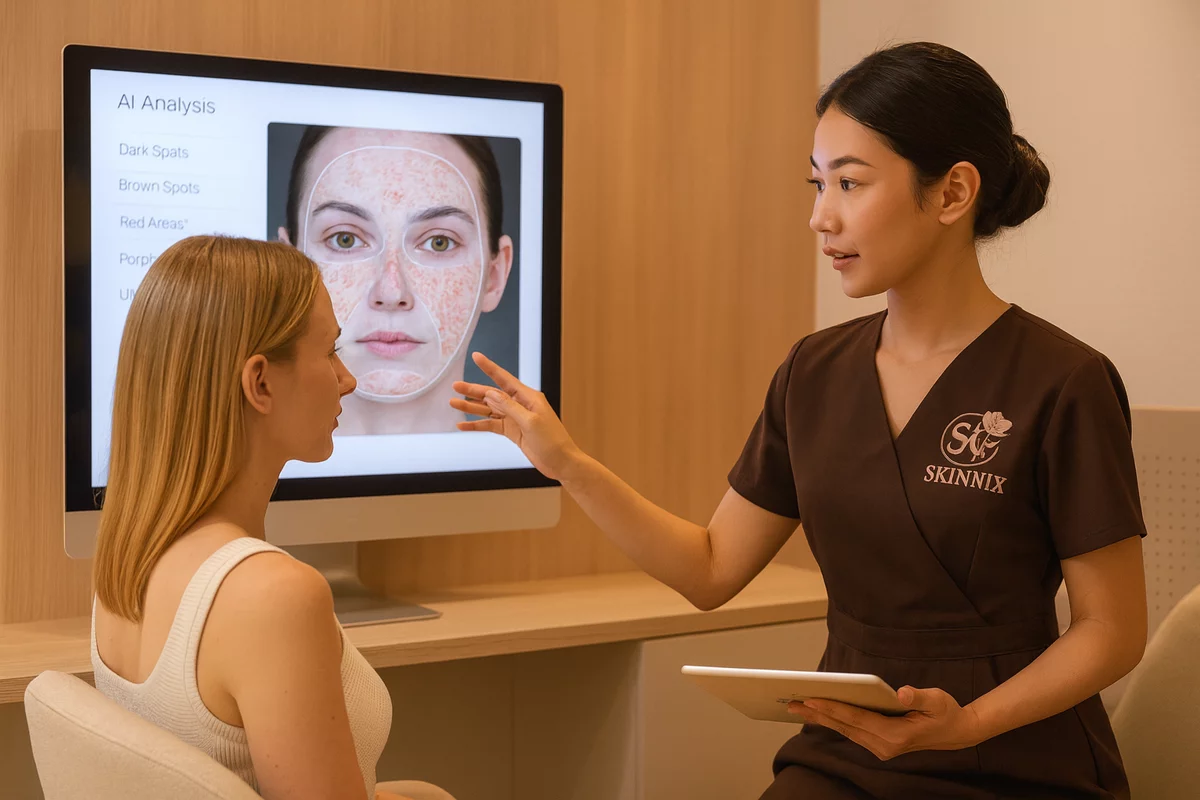
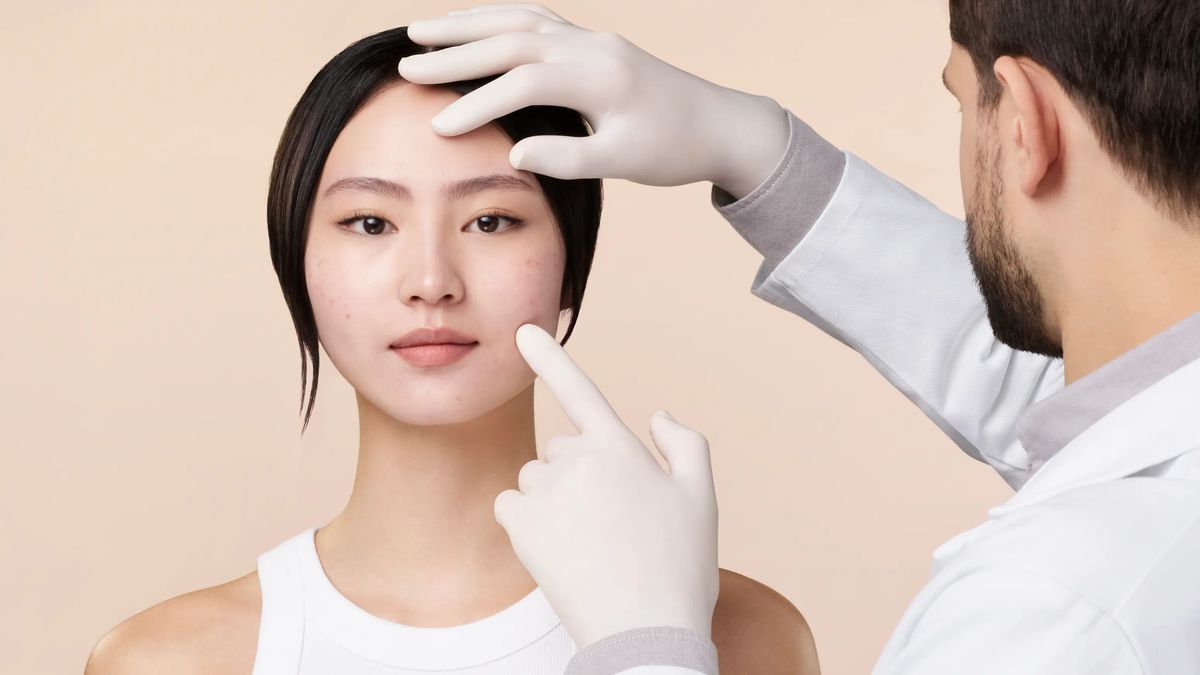
Advanced skin care solutions are clinically guided treatments and formulations designed to target specific skin concerns using evidence-based ingredients and personalized protocols. They go beyond basic routines by addressing root causes such as aging, acne, and pigmentation.

These solutions often combine dermatology-grade products with customized care plans tailored to individual skin profiles.

  • Personalized formulations based on skin type and goals
  • Integration of clinical treatments and home care
  • Often supported by pharmacies and specialists, including a sterile compounding pharmacy when customization is required
advanced skin care solutions

Contact us

What Skin Concerns Do Advanced Solutions Target?

Advanced skin care solutions target complex and persistent skin concerns that standard products may not effectively address. These include aging, acne, hyperpigmentation, and barrier dysfunction.

Common concerns treated include:

  • Fine lines and wrinkles
  • Acne and post-acne marks
  • Melasma and uneven tone
  • Dryness and skin barrier damage

Some patients exploring medical weight loss Tampa or hormonal therapies may also seek advanced skincare to complement overall wellness outcomes.

What Are Advanced Skin Treatments?

Advanced skin treatments refer to professional or clinically supported procedures designed to improve skin health at a deeper level. These treatments are often recommended after proper evaluation.

Examples include:

  • Chemical peels for exfoliation and renewal
  • Microneedling for collagen stimulation
  • Laser therapies for pigmentation and texture
  • Prescription-based topical treatments

In certain cases, customized formulations prepared through non sterile compounding may be used to match individual skin needs.

Key Ingredients Used in Advanced Skin Care Solutions

Advanced skin care solutions rely on scientifically validated ingredients that deliver targeted and measurable results. These ingredients are selected based on skin concerns and treatment goals.

Key ingredients include:

  • Retinoids: Improve cell turnover and reduce signs of aging
  • Hyaluronic acid: Enhances hydration and skin barrier function
  • Peptides: Support collagen production and repair
  • Antioxidants (e.g., Vitamin C): Protect against environmental damage

These ingredients are sometimes included in precision beauty skin care solutions tailored to specific dermatological conditions.

When Should You Start Advanced Skin Care Solutions?

Advanced skin care solutions can be introduced once early signs of skin concerns appear or when basic routines no longer deliver results. There is no single “perfect age,” but timing depends on individual skin needs.

General guidance:

  • Early 20s: Preventive care and hydration
  • Late 20s–30s: Target early aging and pigmentation
  • 40s+: Focus on collagen loss and deeper correction

Patients undergoing bioidentical hormone replacement therapy near me may also integrate advanced skincare to address hormone-related skin changes.

Benefits of Advanced Skin Care Solutions

Advanced skin care solutions provide targeted, long-term improvements by addressing the underlying causes of skin issues rather than masking symptoms.

Key benefits:

  • Noticeable improvement in skin texture and tone
  • Reduction in fine lines and acne
  • Enhanced hydration and barrier repair
  • Personalized treatment for better outcomes

These benefits align with the broader Benefits of Compounded Medications, where customization improves effectiveness.

Contact us

Professional vs At-Home Skin Care Treatments

Professional treatments offer deeper, faster results, while at-home care supports maintenance and long-term skin health. Both approaches are most effective when combined.

Professional treatments:

  • Higher concentration ingredients
  • Performed under expert supervision
  • Faster visible results

At-home care:

  • Daily maintenance
  • Prevents recurrence of issues
  • Supports clinical treatments

This distinction is similar to Compounded vs Commercial Drugs, where personalization often enhances outcomes.

Is It Better to See a Dermatologist or Aesthetician for Acne?

The choice depends on the severity and underlying cause of acne. Dermatologists handle medical conditions, while aestheticians focus on cosmetic care.

  • Dermatologist:
    • Severe or persistent acne
    • Hormonal or cystic conditions
    • Prescription treatments
  • Aesthetician:
    • Mild to moderate acne
    • Skin maintenance and facials

In complex cases, collaboration between professionals ensures better results.

advanced skin care solutions

Advanced Skin Care for Aging Skin

Advanced skin care solutions for aging skin focus on restoring collagen, improving elasticity, and reducing visible signs of aging.

Key approaches:

  • Retinoid-based therapies
  • Collagen-stimulating treatments
  • Hydration-focused formulations

Some wellness programs, including peptide therapy for weight loss, may indirectly support skin quality through metabolic improvements.

How to Choose the Right Advanced Skin Care Plan

Choosing the right advanced skin care solutions requires understanding your skin type, concerns, and treatment goals.

Steps to follow:

  • Identify primary skin concerns
  • Seek professional evaluation
  • Choose evidence-based treatments
  • Maintain consistency

Providers like Emerald often integrate skincare with broader health strategies for more comprehensive results.

What Results Can You Expect From Advanced Skin Care Solutions?

Results from advanced skin care solutions include gradual but noticeable improvements in skin clarity, texture, and overall health.

Expected outcomes:

  • Smoother, more even skin tone
  • Reduction in acne and pigmentation
  • Improved hydration and elasticity

Results vary depending on consistency and treatment type.

How Long Do Results Take?

Most advanced skin care solutions show initial improvements within weeks, with more significant results developing over time.

Timeline factors:

  • Type of treatment
  • Skin condition severity
  • Consistency of use

Clinical treatments may deliver faster results compared to at-home routines.

Contact us

FAQs About Advanced Skin Care Solutions

What are the most effective skincare ingredients?

The most effective ingredients include retinoids, peptides, hyaluronic acid, and antioxidants, as they target multiple skin concerns with proven results.

What is the 7 sins of skincare?

Common mistakes include over-exfoliation, skipping sunscreen, inconsistent routines, and using incompatible products.

Why do some people have naturally better skin?

Genetics, lifestyle, diet, and skincare habits all contribute to overall skin quality.

How often should advanced skincare be used?

Frequency depends on the treatment type, but consistency and professional guidance are key for optimal results.

medical weight loss tampa

Best Medical Weight Loss Tampa Programs

By Compounding Pharmacy, Medical Weight Loss

What Is Medical Weight Loss?

Medical weight loss Tampa refers to physician-guided programs designed to help individuals lose weight through clinical evaluation, personalized plans, and ongoing medical supervision. These programs focus on metabolic health rather than generic dieting approaches.

In Tampa, these programs often combine lab testing, nutrition planning, and prescription-based treatments to address the root causes of weight gain.

  • Focuses on metabolism, hormones, and lifestyle factors
  • Personalized based on medical history and body composition
  • Supervised by licensed healthcare providers

Why Medical Weight Loss Can Help When Dieting Alone Does Not Effective Than Traditional Dieting?

Medical weight loss Tampa

is more effective than traditional dieting because can help when dieting alone has not worked, because it targets biological and hormonal factors that influence weight gain. Unlike generic diets, it adapts to each patient’s medical needs.

This approach helps patients who have struggled with repeated diet failures or metabolic resistance.

  • Addresses insulin resistance and hormonal imbalance
  • Provides structured medical supervision
  • Improves long-term adherence and results
medical weight loss tampa

Contact us

How Does the Medical Weight Loss Program Work?

Medical weight loss programs work through a structured clinical process that includes assessment, treatment planning, and ongoing monitoring. The goal is sustainable fat loss and improved metabolic health.

Typical process includes:

  • Initial medical evaluation and lab testing
  • Personalized diet and treatment plan
  • Prescription-based or clinical support therapies
  • Regular progress tracking and adjustments

Some programs may also integrate treatments like peptide therapy for weight loss or hormone optimization depending on patient needs.

What Treatments Are Included in Medical Weight Loss Programs?

Medical weight loss programs may include a combination of prescription medications, nutritional support, and metabolic therapies tailored to the patient.

Common treatments include:

  • Appetite regulation medications
  • Nutritional counseling and meal planning
  • Hormone and metabolic support
  • Lifestyle coaching and monitoring

In some clinical settings, therapies may involve semaglutide compounding pharmacy formulations prepared under strict standards.

Who Qualifies for Medical Weight Loss in Tampa?

Medical weight loss is suitable for individuals who struggle with weight management due to metabolic, hormonal, or lifestyle-related challenges.

Ideal candidates include:

  • Individuals with BMI above healthy range
  • Patients with slow metabolism or weight resistance
  • Those who failed traditional dieting methods

Many patients searching weight loss Tampa Florida or tampa weight loss are looking for medically supervised solutions rather than general programs.

Benefits of Medical Weight Loss Programs

Medical weight loss  provides structured, evidence-based benefits that improve both weight and overall health outcomes.

Key benefits:

  • Sustainable fat loss with medical supervision
  • Improved metabolic and hormonal balance
  • Reduced risk of weight regain
  • Personalized treatment plans

These programs often align with broader wellness care, sometimes integrated with services like bioidentical hormone replacement therapy near me or metabolic optimization strategies.

How Much Weight Can You Lose with Medical Weight Loss?

Weight loss results vary, but medical weight loss programs are designed for consistent and sustainable fat reduction over time.

Expected outcomes:

  • Gradual fat loss over weeks and months
  • Improved body composition
  • Better energy and metabolic efficiency

Results depend on adherence, metabolism, and the specific treatment plan used.

Contact us

How Long Does It Take to See Results?

Most patients in medical weight loss programs begin noticing changes within a few weeks, with continued improvement over time.

Influencing factors:

  • Metabolic rate and starting weight
  • Treatment consistency
  • Lifestyle adjustments

Programs are designed for long-term transformation rather than rapid, short-term loss.

Is Medical Weight Loss Safe?

Medical weight loss is considered safe when supervised by qualified healthcare professionals using evidence-based protocols.

Safety is ensured through:

  • Medical screening before treatment
  • Continuous monitoring and adjustments
  • Use of regulated medications and therapies

Some clinics work alongside sterile compounding pharmacy or non sterile compounding services depending on treatment type and formulation requirements.

Medical Weight Loss Cost

The cost of medical weight loss varies depending on the program structure, treatments included, and level of medical supervision.

Cost factors include:

  • Lab testing and consultations
  • Medication or therapy type
  • Duration of the program

Patients often compare options under searches like options medical weight loss to find suitable programs.

How to Choose the Best Medical Weight Loss Program in Tampa

Choosing the right medical weight loss program depends on provider expertise, treatment customization, and clinical support quality.

What to look for:

  • Licensed medical professionals
  • Personalized treatment plans
  • Ongoing monitoring and support

Some clinics, including integrated wellness providers like Emerald, focus on combining medical weight loss with metabolic and hormonal optimization for better long-term outcomes.

Where to Start Medical Weight Loss in Tampa

Starting medical weight loss begins with a consultation to evaluate health status and determine the most effective treatment approach.

Initial steps:

  • Medical evaluation and lab work
  • Goal setting and treatment planning
  • Discussion of available program options

Patients searching for weight loss Tampa typically begin with this step to understand eligibility and expectations.

medical weight loss tampa

What to Expect from Your First Consultation

The first consultation in a medical weight loss program focuses on understanding your health profile and designing a personalized plan.

What happens during consultation:

  • Review of medical history
  • Body composition analysis
  • Discussion of treatment options
  • Customized plan development

This step ensures that the program is tailored to individual needs rather than a generic approach.

Contact us

FAQs About Medical Weight Loss Tampa

Is medical weight loss worth it?

Yes, it is often more effective than traditional dieting because it addresses underlying metabolic and hormonal causes.

Do I need a prescription?

Some treatments used in medical weight loss Tampa programs may require prescriptions depending on the approach.

How quickly can I lose weight safely?

Safe weight loss is gradual and typically occurs over several weeks with consistent medical supervision.

What happens if I stop the program?

Stopping early may slow progress, which is why long-term lifestyle support is recommended.

peptide therapy for weight loss

Peptide Therapy for Weight Loss: How It Works

By Compounding Pharmacy, Peptide Therapy

What Is Peptide Therapy for Weight Loss?

Peptide therapy for weight loss is a medical approach that uses specific amino-acid chains (peptides) to support fat metabolism, appetite control, and hormonal balance. It is typically prescribed as part of a supervised treatment plan.

In Tampa, peptide protocols are often integrated into broader programs like medical weight loss tampa, combining clinical oversight with personalized dosing. These therapies are designed to address metabolic factors rather than relying on general dieting alone.

  • Targets metabolism, fat oxidation, and appetite signals
  • Often customized per patient profile
  • May be delivered via injections or oral formulations

Does Peptide Therapy Help You Lose Weight?

Peptide therapy for weight loss can support weight reduction when used as part of a structured medical program that includes nutrition and lifestyle changes.

Clinical use shows that:

  • Peptides may help regulate hunger hormones
  • Support fat breakdown and energy use
  • Improve adherence to weight loss plans

However, results vary based on individual health status, consistency, and medical supervision.

How Peptide Therapy for Weight Loss Works

Peptide therapy for weight loss works by signaling specific biological pathways that regulate metabolism, fat storage, and appetite.

Key mechanisms:

  • Hormonal regulation: improves insulin sensitivity and appetite control
  • Fat metabolism: enhances lipolysis (fat breakdown)
  • Energy balance: supports better energy utilization

These mechanisms are similar in concept to advanced therapies developed in a sterile compounding pharmacy, where precision dosing ensures consistent outcomes.

peptide therapy for weight loss

Contact us

Types of Peptide Therapy for Weight Loss

Different types of peptides are used depending on the patient’s goals and metabolic profile.

Common categories:

  • Fat loss peptides: support fat metabolism
  • Appetite-regulating peptides: reduce cravings
  • Hormone-support peptides: improve metabolic balance

While many patients search for best peptides for weight loss, treatment should always be individualized rather than based on a single option.

Who Is a Candidate for Peptide Therapy?

Peptide therapy for weight loss is suitable for individuals struggling with metabolic or hormonal barriers to weight loss.

Ideal candidates include:

  • Patients with slow metabolism or weight resistance
  • Individuals with hormonal imbalances
  • Those who have not responded to traditional dieting

In Tampa, many patients explore peptide therapy near me when conventional approaches fail to deliver consistent results.

Benefits of Peptide Therapy for Weight Loss

Peptide therapy for weight loss offers targeted benefits by addressing the biological causes of weight gain.

Key benefits:

  • Improved fat metabolism and energy levels
  • Reduced appetite and better portion control
  • Support for lean muscle retention

These outcomes align with the broader Benefits of Compounded Medications, where customization leads to more effective and sustainable results.

How Much Weight Can You Lose with Peptide Therapy?

Weight loss results vary, but many patients experience gradual and sustainable fat reduction when peptide therapy is combined with lifestyle changes.

Typical expectations:

  • Steady weight loss over several weeks
  • Improved body composition (fat vs muscle)
  • Long-term metabolic improvements

Searches like peptide weight loss results reflect growing interest in realistic, medically guided outcomes.

How Long Does It Take to See Results?

Most patients begin noticing changes within a few weeks, with more significant results developing over time.

Timeline factors:

  • Individual metabolism
  • Treatment consistency
  • Diet and activity level

Peptide therapy focuses on sustainable progress rather than rapid, short-term weight loss.

Contact us

Side Effects of Peptide Therapy for Weight Loss

Peptide therapy for weight loss is generally well-tolerated, but mild side effects can occur.

Possible side effects:

  • Temporary injection site irritation
  • Mild nausea or digestive changes
  • Hormonal adjustment symptoms

Proper monitoring helps minimize risks and ensures safe outcomes.

Is Peptide Therapy Safe?

Peptide therapy is considered safe when prescribed and monitored by qualified professionals.

Safety depends on:

  • Accurate dosing and formulation
  • Clinical supervision
  • Quality sourcing

Some formulations may be prepared through non sterile compounding or sterile processes depending on the delivery method and clinical requirements.

Peptide Therapy vs Traditional Weight Loss Methods

Peptide therapy for weight loss differs from traditional methods by targeting biological processes rather than relying only on calorie restriction.

Peptide Therapy:

  • Focuses on hormones and metabolism
  • Personalized treatment plans
  • Medically supervised

Traditional Methods:

  • Diet and exercise focused
  • Generalized approaches
  • Limited personalization

This comparison reflects the concept of Compounded vs Commercial Drugs, where tailored therapies provide more precise outcomes.

Where to Get Peptide Therapy for Weight Loss in Tampa

Patients searching for peptide therapy for weight loss in Tampa typically look for clinics offering personalized, medically supervised care.

What to consider:

  • Licensed healthcare providers
  • Access to customized formulations
  • Ongoing monitoring and support

Some providers collaborate with specialized pharmacies like Emerald to prepare precise formulations that align with patient-specific needs.

What to Expect from a Peptide Therapy Plan

A peptide therapy plan involves structured evaluation, treatment, and follow-up to ensure effective results.

Typical steps:

  • Initial consultation and health assessment
  • Customized treatment plan
  • Regular follow-up and adjustments

In some cases, peptide therapy may be combined with services like bioidentical hormone replacement therapy near me or even integrated wellness solutions such as advanced skin care solutions for overall health optimization.

peptide therapy for weight loss

Contact us

FAQs About Peptide Therapy for Weight Loss

Is it safe to take peptides every day?

Daily use depends on the specific peptide and medical guidance. Always follow a provider’s instructions to ensure safety.

Who should avoid using peptides?

Individuals with certain medical conditions or without proper supervision should avoid peptide therapy. A medical consultation is required.

Are peptide shots similar to other weight loss treatments?

Some peptide therapies work through similar metabolic pathways, but they are typically part of a broader, personalized treatment plan rather than standalone solutions.

How long do results last?

Results can be long-lasting if supported by consistent lifestyle changes and ongoing medical guidance.

bioidentical hormone replacement therapy near me

Best bioidentical hormone replacement therapy near me

By hormone replacement therapy

What Is Bioidentical Hormone Replacement Therapy?

Bioidentical hormone replacement therapy near me refers to treatments that use hormones structurally identical to those naturally produced by the body to restore hormonal balance. These therapies are commonly prescribed for menopause, andropause, and hormonal deficiencies.

In clinical practice, BHRT is tailored to each patient using customized formulations prepared through a sterile compounding pharmacy or specialized providers. This personalized approach improves symptom control and treatment accuracy.

  • Uses plant-derived hormones matched to human hormones
  • Customized dosing based on lab testing
  • Delivered via creams, capsules, pellets, or injections

What Does “Bioidentical Hormone Replacement Therapy Near Me” Mean?

The phrase bioidentical hormone replacement therapy near me reflects a local search intent to find nearby qualified providers offering personalized hormone care.

In United states, patients searching this term are typically looking for:

  • Licensed clinics or hormone therapy doctors near me
  • Access to customized hormone formulations
  • Ongoing monitoring and support

This keyword often overlaps with searches like hormone therapy near me and hrt doctors near me, indicating strong commercial intent and readiness to take action.

bioidentical hormone replacement therapy near me

Contact us

How Bioidentical Hormone Replacement Therapy Works

Bioidentical hormone replacement therapy works by identifying hormonal imbalances and restoring optimal levels through customized treatment plans.

The process includes:

  • Hormone testing: blood or saliva analysis
  • Diagnosis: identifying deficiencies or imbalances
  • Customized formulation: prepared using compounding techniques
  • Ongoing monitoring: adjusting dosages based on response

This approach reflects the concept of Compounded vs Commercial Drugs, where personalization leads to more precise and effective outcomes.

Bioidentical Hormone Replacement Therapy Examples

Bioidentical hormone therapies are available in multiple forms depending on patient needs and preferences.

Common examples:

  • Topical creams and gels
  • Oral capsules
  • Subdermal pellets
  • Injectable formulations

These customized options are often used alongside wellness programs such as medical weight loss United states or therapies like peptide therapy for weight loss to support overall health.

Who Needs Bioidentical Hormone Therapy?

Bioidentical hormone replacement therapy is recommended for individuals experiencing symptoms related to hormonal imbalance.

Common candidates:

  • Women with menopause symptoms (hot flashes, fatigue)
  • Men with low testosterone levels
  • Patients with thyroid or adrenal imbalances

In United states, many patients search for bioidentical hormone therapy near me when conventional treatments fail to deliver consistent results.

Contact us

Benefits of Bioidentical Hormone Replacement Therapy

Bioidentical hormone replacement therapy offers several benefits compared to traditional hormone treatments.

Key advantages:

  • Personalized dosing tailored to the individual
  • Improved symptom relief for fatigue, mood, and metabolism
  • Better compatibility with the body

These advantages align with the broader Benefits of Compounded Medications, where customization enhances effectiveness and reduces unwanted side effects.

Discover Non Sterile Compounding Pharmacy: Benefits & Uses 

Bioidentical Hormone Replacement Therapy for Men

Bioidentical hormone replacement therapy for men is commonly used to address low testosterone and age-related hormonal decline.

Potential benefits:

  • Increased energy and stamina
  • Improved muscle mass and metabolism
  • Enhanced mood and mental clarity

Men searching for who does bioidentical hormone replacement therapy near me often seek providers who specialize in male hormone optimization.

Bioidentical Hormone Replacement Therapy Side Effects

Bioidentical hormone replacement therapy is generally well-tolerated, but side effects can occur depending on dosage and individual response.

Possible side effects:

  • Mild fluid retention
  • Skin irritation (topical forms)
  • Hormonal fluctuations during adjustment

Proper monitoring by bioidentical hormone therapy doctors near me reduces risks and ensures safe treatment outcomes.

bioidentical hormone replacement therapy near me

Contact us

Bioidentical Hormone Replacement Therapy vs Traditional HRT

The difference between bioidentical hormone replacement therapy vs HRT lies in formulation and personalization.

Bioidentical Hormones:

  • Structurally identical to natural hormones
  • Custom-compounded
  • Individually dosed

Traditional HRT:

  • Synthetic or animal-derived hormones
  • Standardized dosing
  • Limited customization

This distinction is important for patients comparing treatment options in United states.

Discover Compounding Pharmacy Services-Weight Loss, HRT & Peptides

Bioidentical Hormone Replacement Therapy Cost

The cost of bioidentical hormone replacement therapy near me varies based on treatment type, provider, and level of customization.

Factors affecting cost:

  • Type of hormone delivery (pellets, creams, injections)
  • Frequency of follow-up visits
  • Lab testing requirements

Patients searching for top rated bioidentical hormone replacement therapy near me often prioritize value, expertise, and long-term results over initial cost.

How to Find the Best Bioidentical Hormone Therapy Near You in United states

Finding the best provider for bioidentical hormone replacement therapy near me requires evaluating experience, safety, and personalization.

What to look for:

  • Licensed and experienced providers
  • Access to compounding services
  • Ongoing monitoring and patient support

Some clinics in United states collaborate with specialized pharmacies like Emerald to deliver customized hormone formulations with consistent quality and precision.

What to Expect From a Hormone Therapy Consultation

A hormone therapy consultation helps determine whether bioidentical hormone replacement therapy is appropriate for your condition.

Typical steps:

  • Medical history review
  • Symptom evaluation
  • Hormone testing
  • Treatment plan discussion

Patients searching where to get bioidentical hormone replacement therapy near me should expect a structured and personalized consultation process.

Certifications & Compliance at Emerald Compounding Pharmacy

Emerald Compounding Pharmacy Certifications reflects the company’s commitment to regulatory compliance, patient safety, and professional pharmacy standards. Emerald maintains active licensure through the Florida Department of Health and operates in accordance with state and federal pharmacy regulations.

The pharmacy also holds:

  • DEA Controlled Substance Registration
  • LegitScript Certification
  • HIPAA Compliance standards
  • Pharmacy Technician Training Program authorization
  • Special Sterile Compounding qualifications

These certifications and regulatory approvals support Emerald’s focus on compliant pharmaceutical practices, operational transparency, and customized compounding solutions for healthcare providers and patients.

Contact us

FAQs About Bioidentical Hormone Replacement Therapy Near Me

Where can I get bioidentical hormone replacement therapy near me?

You can access treatment through specialized clinics, endocrinologists, or compounding pharmacies that offer customized hormone therapies.

How do I choose the best hormone therapy doctor?

Look for licensed providers with experience in hormone optimization, access to lab testing, and personalized treatment planning.

Is bioidentical hormone therapy safe?

Yes, when prescribed and monitored by qualified professionals, it is considered safe and effective for managing hormonal imbalances.

How long does it take to see results?

Most patients begin noticing improvements within a few weeks, with continued progress over time as hormone levels stabilize.