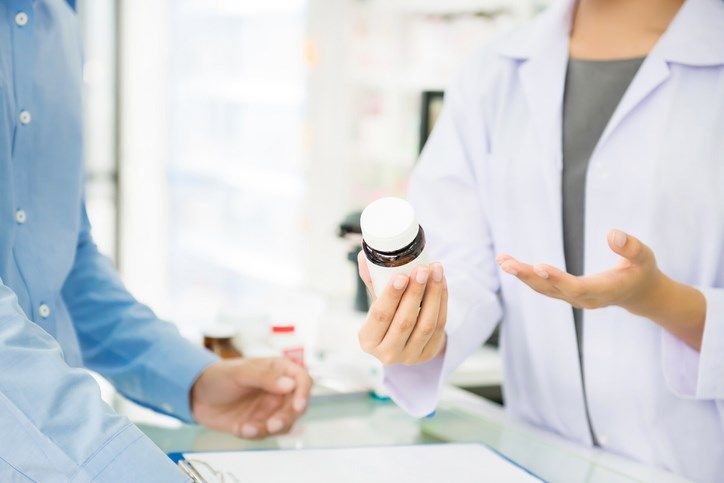


Non-adherence to pharmacological treatment is far from exceptional with rates of 50 percent and rising to 75 percent in some patient populations, particularly those using topical therapies for chronic skin conditions. For Florida medical practices managing chronic disease programs, hormone protocols, weight management, and dermatology this is not an abstract statistic. It describes a portion of your current patient panel whose outcomes are being limited not by the medication prescribed, but by the gap between what was prescribed and what was taken.
Medication non-adherence costs the U.S. healthcare system an estimated $300 billion annually in preventable complications, hospitalizations, and lost productivity. For individual practices, non-adherence represents patient churn, outcome failures that erode clinical reputation, and protocol costs that do not deliver the results they were designed to achieve.
Compounding pharmacy addresses medication adherence through mechanisms that commercial pharmaceutical manufacturing structurally cannot because the barriers to adherence are individual, and commercial products are built for populations. Understanding the clinical benefits of compounded medications starts with understanding why patients stop taking medications that are clinically appropriate for them and what customization can do about it.
This article is written for Tampa and Florida physicians, NPs, PAs, and clinic administrators who want to understand the evidence base for compounding as an adherence tool and how to apply it across their specific therapeutic programs.

Why Patients Don’t Take Their Medications The Root Causes of Non-Adherence
Before examining how compounding addresses non-adherence, it is necessary to understand what drives it. Several factors can impede adherence, including complex dosing schedules, medication side effects, palatability issues, and lack of availability of suitable dosage forms.
The barriers to medication adherence fall into five categories that are directly addressable through compounding:
Barrier 1 Delivery Form Intolerance A patient who cannot swallow large tablets, experiences severe GI upset from an oral formulation, or has a dermatological reaction to a transdermal vehicle will discontinue therapy regardless of clinical appropriateness. The medication may be correct; the form is not.
Barrier 2 Excipient Sensitivity Some patients have allergies or intolerances to specific excipients or preservatives commonly found in commercial medications including gluten, lactose, dyes, and preservatives that produce adverse reactions sufficient to cause discontinuation.
Barrier 3 Polypharmacy Burden Patients managing multiple chronic conditions and taking five, eight, or twelve medications face a cognitive and logistical burden that predictably leads to missed doses and regimen abandonment. Pill burden is a documented adherence barrier independent of any single medication’s characteristics.
Barrier 4 Palatability Pediatric and geriatric patients and many adults find medication taste, smell, or texture aversive enough to avoid taking it. Commercial manufacturers optimize for shelf stability and production efficiency, not palatability.
Barrier 5 Dosing Inflexibility When a patient cannot tolerate the standard commercial dose because of side effects or sensitivity and the prescriber cannot titrate down because no lower commercial dose exists the clinical options are either accept non-adherence or switch to a less appropriate therapy. Neither serves the patient.
Therapy-related variables including medication product properties such as swallowability, packaging, dosing schedule, container closure mechanism, and type of dose form directly affect adherence. These are precisely the variables that compounding addresses. Understanding the difference between compounded vs commercial medications is understanding the difference between a fixed product that may or may not match the patient, and a preparation made to match the patient specifically.
Contact us
7 Mechanisms Through Which Compounding Improves Patient Adherence
Mechanism 1: Delivery Form Optimization Meeting Patients Where They Are
A peer-reviewed study published in MDPI Pharmaceutics found that adherence was significantly higher for patients applying gels and creams than for those using ointments, whenever the lesions affected an extensive body area demonstrating that the dosage form mediates treatment outcomes independently of the active ingredient
This finding has direct clinical implications for Florida providers: choosing the right delivery vehicle is not cosmetic. It is a clinical decision with measurable adherence outcomes.
Non-sterile compounding formulations creams, gels, ointments, oral liquids, sublingual troches, nasal sprays, and suppositories give the prescribing provider a full palette of delivery options to match the patient’s physiological characteristics, lifestyle, and tolerability profile:
Transdermal creams and gels for patients who cannot absorb oral formulations efficiently, experience GI side effects from systemic dosing, or require continuous-release delivery for hormone therapy protocols.
Sublingual troches for patients who prefer avoiding injection or transdermal application common in hormone optimization practices where patient preference for delivery method significantly affects protocol adherence.
Oral liquids and solutions for pediatric patients and adults with dysphagia patients who reliably refuse or cannot swallow commercial tablets despite clinical need.
Topical gels for dermatology for patients whose condition, skin type, or application site makes ointment vehicles impractical a direct application of the psoriasis research finding cited above to real clinical practice.
The prescriber who can specify the delivery form based on patient-specific factors rather than accepting what a manufacturer produces is the prescriber whose patients stay on therapy.
Mechanism 2: Allergen and Excipient Elimination
Compounding pharmacists can remove ingredients like dyes, fillers, and other harmful additives helping patients avoid allergies and side effects that would otherwise lead to discontinuation.
For Florida clinics managing diverse patient populations including patients with documented food allergies, celiac disease, dye sensitivities, and preservative intolerances excipient elimination is one of the highest-value compounding applications from an adherence standpoint.
A patient with a gluten sensitivity who is prescribed a commercial tablet containing starch excipients derived from wheat faces a choice between a clinically appropriate medication and an excipient-triggered adverse effect. Without a compounded alternative, many patients choose to discontinue therapy rather than manage the adverse effect. With a compounded allergen-free preparation, the barrier disappears.
Commonly eliminated excipients in compounded preparations for Florida patients include:
- Lactose (relevant for lactose-intolerant patients on long-term hormone or pain medications)
- Gluten and wheat starch (relevant for celiac patients on any chronic medication protocol)
- Artificial dyes and colorants (particularly relevant for pediatric patients and patients with documented dye sensitivities)
- Parabens and preservatives (relevant for dermatology patients and those with known preservative sensitivities)
- Benzalkonium chloride (relevant for ophthalmic preparations)
The excipient removal does not change the active pharmaceutical ingredient it removes the barrier to taking it. For patients whose non-adherence is driven by adverse excipient reactions, the compounded allergen-free preparation converts a non-adherent patient into an adherent one.
Mechanism 3: Combination Compounding Reducing Pill Burden
Compounding allows for the creation of combination medications where multiple drugs are combined into a single dosage form simplifying dosing schedules, reducing pill burden, and enhancing overall adherence.
For Florida practices managing patients with multiple concurrent conditions hormone therapy patients on estradiol, progesterone, and thyroid compounds; pain management patients on multiple analgesic agents; or functional medicine patients on comprehensive supplement-medication protocols the pill burden created by multiple separate commercial products is a documented adherence barrier.
Combination compounding addresses this through a single preparation that incorporates multiple active ingredients at clinician-specified concentrations in a single delivery vehicle. A common clinical example: a custom transdermal cream combining estradiol and progesterone at provider-specified concentrations one application replacing two separate commercial products with different dosing schedules, different vehicles, and different administration instructions.
The adherence mathematics are direct: a patient maintaining one product on a simple schedule adheres more reliably than a patient managing three products on three schedules. Combination compounding is the mechanism that makes the simpler regimen possible.
Mechanism 4: Palatability Improvement Removing the Taste Barrier
Flavored medication for children through validated flavor-masking techniques improves palatability and, consequently, adherence. This is one of the most established applications of compounding pharmacy and not only in pediatric practice.
Adult patients on long-term oral medications antiretrovirals, psychiatric medications, certain hormone preparations frequently report that taste is a meaningful barrier to consistent dosing. Compounded flavor masking converts a medication that tastes aversive into one that is palatably neutral or pleasant, without modifying the active pharmaceutical ingredient.
For Tampa and Florida pediatric practices, flavor compounding is often the difference between a prescription that is taken and one that is rejected at the kitchen table. For adult functional medicine and anti-aging practices prescribing oral compounds on long-term protocols, palatability improvement converts sporadic adherence into consistent adherence.
Mechanism 5: Dose Titration Flexibility Starting Where the Patient Can Tolerate
One of the most clinically significant adherence applications of compounding is dose titration at concentrations that commercial manufacturers do not offer.
A patient initiating hormone replacement therapy, a weight management protocol, or a dermatology treatment who experiences intolerable side effects at the lowest commercially available dose has, from the commercial pharmacy’s perspective, only two options: tolerate the side effects or discontinue. From a compounding pharmacy perspective, there is a third option: start at a sub-commercial dose and titrate up as tolerance develops.
This mechanism is most clinically relevant in:
Hormone therapy initiation Patients initiating testosterone, estradiol, or progesterone therapy at sub-commercial concentrations, titrating upward based on symptom response and lab values rather than manufacturer dose increments.
Dermatology protocols Patients initiating tretinoin therapy at 0.01% or 0.02% before advancing to therapeutic 0.05% or 0.1% a titration that is clinically supported but impossible with commercial products limited to 0.025%, 0.05%, and 0.1%.
Weight management Patients initiating GLP-1 or other weight management protocols at sub-commercial doses to minimize GI side effects during the initiation phase a significant adherence driver in programs where GI intolerance is the leading cause of early discontinuation.
The custom skincare formulations framework demonstrates this at the dermatology level: a patient who cannot tolerate commercial 0.025% tretinoin on initiation does not fail tretinoin therapy they need a sub-commercial concentration that allows them to build tolerance before advancing.
Mechanism 6: Cost Accessibility Removing the Financial Barrier
For many patients in Tampa and Florida weight management, hormone, and specialty programs, the financial barrier to commercial medication access is the adherence barrier. More than half of compounding pharmacies surveyed reported compounding copies of FDA-approved drugs during active FDA-recognized drug shortages, with the FDA reporting 113 active drug shortages in 2024.
During commercial drug shortage periods which have affected topical clindamycin, certain tretinoin formulations, commercial GLP-1 medications, and others patients whose therapy is interrupted due to commercial unavailability are not non-adherent by choice. They are non-adherent by supply chain failure.
Compounded weight loss medications prepared by a licensed 503A pharmacy address this gap directly: when commercial supply is unavailable or economically inaccessible, a compounded alternative prepared pursuant to a valid patient prescription maintains therapy continuity that the commercial market cannot guarantee.
Cost accessibility and supply continuity are adherence factors that practices cannot control through clinical skill alone but can address through a pharmacy partnership that provides a consistent, cost-accessible alternative.
Mechanism 7: Patient-Centered Protocol Design Matching the Medication to the Patient’s Life
Adapting the physical properties, bioavailability, and dosage regimen of medications to accommodate diverse patient population preferences could encourage refills and compliance. This summarizes the adherence philosophy that compounding makes operationally possible: medication that fits the patient, not the reverse.
For Tampa and Florida practices managing long-term protocols hormone optimization, ongoing weight management, chronic dermatology, functional medicine adherence is not a one-time event. It is a longitudinal relationship between the patient and the therapy. Every barrier that makes that relationship harder erodes adherence over time. Every barrier that compounding removes strengthens it.
The mechanism here is not a single formulation change. It is the cumulative effect of a pharmacy relationship that allows the prescribing provider to modify, adjust, and iterate on formulations based on patient feedback, lab results, and tolerability data using a compounding pharmacy partner as the clinical infrastructure for patient-centered protocol management.

Contact us
Adherence by Therapeutic Category Florida Practice Applications
Hormone Replacement Therapy Practices
Non-adherence in HRT is frequently driven by delivery form preference, excipient sensitivity, and dosing inflexibility. Specialty clinics that offer customized compounded products report higher patient retention and in hormone optimization, patient retention is the proxy for protocol adherence over the extended timeframes that HRT requires.
Custom transdermal creams eliminate the systemic absorption variability of commercial oral preparations. Sublingual troches eliminate the GI side effects of oral progesterone in sensitive patients. Allergen-free formulations eliminate the excipient reactions that drive commercial HRT discontinuation. Each mechanism addresses a different adherence barrier and the practice that can offer all of them through a pharmacy partnership retains patients that commercially-limited practices lose.
Weight Management Clinics
GI intolerance is the leading cause of early GLP-1 protocol discontinuation. Delayed compounded medications directly affect patient adherence, treatment continuity, and practice outcomes. For weight management clinics, same-day pharmacy dispensing and dose titration flexibility are the operational compounding features that most directly affect adherence outcomes.
Sub-commercial GLP-1 dosing during initiation, combination B12 and GLP-1 injectables that reduce injection frequency, and lipotropic injection protocols that support adherence through tangible interim results are all compounding-enabled adherence interventions.
Dermatology Practices
The psoriasis literature demonstrates that vehicle selection mediates adherence outcomes independently of the active ingredient and the same principle applies across acne, rosacea, and hyperpigmentation treatments. A patient who discontinues tretinoin because of commercial vehicle irritation is not failing tretinoin they are failing a vehicle that was not selected for their skin type.
Custom skincare formulations for dermatology practices address this at every level: vehicle selection, concentration titration, excipient elimination, and combination formulation to reduce application burden. Each of the most common compounded medications in dermatology can be framed as an adherence intervention because the clinical rationale for every formulation modification begins with removing a barrier to consistent use.
How Florida Providers Apply Compounding Adherence Tools in Practice
The evidence base for compounding as an adherence tool is established. The clinical application requires a pharmacy partnership that makes these formulation modifications operationally accessible.
Why clinics choose a compounding pharmacy partner often begins with the adherence conversation: a practice identifies a pattern of early protocol discontinuation, maps the causes to specific adherence barriers, and discovers that compounding addresses those barriers through mechanisms that commercial products cannot.
The operational pathway for applying compounding as an adherence tool involves:
Step 1 Barrier Identification Map your current non-adherence patterns to specific causes: delivery form issues, excipient reactions, dosing side effects, palatability, or pill burden. This mapping determines which compounding mechanisms are most relevant to your patient population.
Step 2 Formulation Consultation Work with your compounding pharmacist to design formulations that address the identified barriers. This is a clinical consultation vehicle selection, concentration, excipient profile, and combination design all require pharmacist expertise applied to your specific patient population data.
Step 3 Protocol Integration Integrate compounded formulations into your clinical protocols with defined titration schedules, monitoring parameters, and patient education that reinforces the adherence rationale for the custom formulation.
Step 4 Adherence Monitoring Track adherence outcomes at the protocol level refill rates, dropout timing, patient-reported side effects to evaluate which compounding interventions are most effective for your specific patient population and refine protocols accordingly.
Why Emerald Compounding Pharmacy Supports Patient Adherence Programs in Tampa and Florida
Emerald Compounding Pharmacy is Tampa’s Florida DOH-licensed, LegitScript-certified, sterile-qualified compounding pharmacy providing the formulation flexibility, operational infrastructure, and pharmacist consultation support that Florida providers need to apply compounding as a clinical adherence tool.
Certifications & Compliance
Compounding Pharmacy License FL DOH #PH35337 | Special Sterile Compounding Qualified Active Florida DOH compounding pharmacy licensure with Special Sterile Compounding qualification covering both sterile injectable formulations (USP 797) and non-sterile topical and oral formulations (USP 795) relevant to adherence-focused compounding across all therapeutic categories. Verifiable at mqa-internet.doh.state.fl.us.
Community Pharmacy License FL DOH #PH35074 Active Florida DOH community pharmacy licensure with Schedule II and III controlled substance dispensing authorization.
DEA Controlled Substance Registration #FE4155974 Schedules II through V Federal DEA registration covering Schedule II through V covering all scheduled compounds relevant to adherence-focused protocols in hormone therapy, pain management, and weight management.
LegitScript Certified Independent third-party verification of Emerald’s legal compliance, licensing, and operational transparency. Verifiable at legitscript.com.
HIPAA Compliant All patient PHI handled through Emerald’s secure, encrypted provider portal in full HIPAA compliance.
Pharmacy Technician Training Program FL DOH #RTTP1477 Florida DOH authorization for pharmacy technician training institutional expertise supporting quality formulation across every adherence-focused compound category.
Biomedical Waste Operating Permit #29-64-2899253 Active Florida DOH biomedical waste management authorization.
For the complete certification documentation, visit the certifications page.
Same-Day Dispensing Medication supply continuity is an adherence variable. Same-day shipping for prescriptions received before 2:00 PM EST eliminates pharmacy fulfillment delays as an adherence barrier for Florida patients on active protocols.

Contact us
Frequently Asked Questions About Compounding and Patient Adherence
How does compounding improve patient adherence?
Compounding improves patient adherence through seven mechanisms: delivery form optimization (creams, troches, liquids, gels matched to patient tolerability), excipient and allergen elimination (removing dyes, preservatives, gluten that cause adverse reactions), combination compounding (merging multiple medications into one preparation to reduce pill burden), palatability improvement (flavor modification for pediatric and adult patients with taste barriers), dose titration flexibility (sub-commercial starting doses for sensitive patients), cost accessibility and supply continuity (compounded alternatives during commercial shortages), and patient-centered protocol design (formulations modified based on patient feedback over time).
What percentage of patients are non-adherent to medication therapy?
Non-adherence rates vary by therapeutic area and patient population. Research published in peer-reviewed literature documents non-adherence rates of 50 percent overall and up to 75 percent in specific populations particularly those using topical therapies for chronic skin conditions like psoriasis. For hormone therapy, weight management, and chronic disease management programs, non-adherence rates in commercially-constrained protocols are a meaningful clinical and practice-management challenge.
What delivery forms do compounding pharmacies offer to improve adherence?
Licensed compounding pharmacies can prepare medications as transdermal creams, gels, ointments, sublingual troches, oral liquids, nasal sprays, suppositories, rectal preparations, ophthalmic solutions, flavored capsules, and lollipops (for pediatric and oral mucosa applications). Delivery form selection is made by the prescribing provider based on patient tolerability, condition, and administration preference not by manufacturer production decisions.
How does combination compounding reduce pill burden?
Combination compounding merges multiple active pharmaceutical ingredients into a single preparation a single cream application, a single troche, or a single capsule that would otherwise require multiple separate commercial products on different dosing schedules. For patients managing multiple medications for hormone therapy, pain management, or chronic disease, combination compounding directly reduces the number of daily medication events that drive polypharmacy non-adherence.
Can compounding help patients who can’t tolerate commercial medication side effects?
Yes and this is one of the most common clinical applications of compounding for adherence. When a patient cannot tolerate a commercial medication’s side effects due to the delivery form (GI upset from oral tablets), the excipient (preservative reaction, dye sensitivity), or the concentration (side effects at the lowest commercial dose), compounding provides alternatives: a different delivery vehicle, an allergen-free preparation, or a sub-commercial starting dose that allows tolerance to develop.
How does compounding address medication adherence in dermatology?
In dermatology, adherence is significantly affected by vehicle selection. Peer-reviewed research demonstrates that patients using gel and cream vehicles adhere at higher rates than those using ointments particularly for conditions affecting large body areas. Custom compounding allows dermatologists to specify the vehicle that matches each patient’s skin type, application site, and lifestyle, eliminating vehicle-related non-adherence. Excipient removal, concentration titration, and combination formulation address the remaining dermatology adherence barriers.
What role does a compounding pharmacy partner play in a practice’s adherence strategy?
A compounding pharmacy partner provides the formulation infrastructure for a practice’s adherence strategy translating the clinical insight that a specific patient barrier exists into a custom preparation that addresses it. The partnership involves pharmacist consultation on vehicle selection, excipient profile, concentration titration, and combination design applied to the prescribing provider’s patient population data. Same-day dispensing, HIPAA-compliant portal management, and quality documentation (Certificate of Analysis) support the operational execution of adherence-focused compounding protocols.
How do Tampa and Florida providers start using compounding to improve patient adherence?
Tampa and Florida providers start by registering as a provider with Emerald through Emerald’s provider registration process completing credentialing in 24 to 48 hours. Following credentialing, providers consult directly with Emerald’s pharmacist team to identify the formulation modifications most relevant to their patient population’s adherence barriers, and begin submitting patient-specific prescriptions through Emerald’s HIPAA-compliant provider portal with same-day processing available.
Build Your Adherence-Focused Compounding Program with Emerald
Emerald Compounding Pharmacy provides Tampa and Florida medical practices with the pharmaceutical-grade custom formulations, pharmacist consultation, and same-day dispensing infrastructure to apply compounding as a clinical adherence tool across every therapeutic category your practice serves.
- ✔ Tampa-based, Florida DOH Licensed (#PH35337 + #PH35074)
- ✔ Special Sterile Compounding Qualified USP 797 compliant
- ✔ DEA Registered Schedules II through V (#FE4155974)
- ✔ LegitScript Certified Verifiable at legitscript.com
- ✔ Full non-sterile and sterile formulation capability
- ✔ HIPAA-Compliant Provider Portal
- ✔ Same-day shipping received by 2:00 PM EST
- ✔ Direct pharmacist consultation for formulation design
- ✔ No minimum order volume
- ✔ 24–48 hour provider credentialing
Register as a Provider with Emerald → Call: (877) 443-7711 | 5325 Primrose Lake Circle, Suite A, Tampa, FL 33647