Tag

peptide therapy for weight loss

where to get peptide therapy

Where to Get Peptide Therapy for Your Practice

By Peptide TherapyNo Comments

where to get peptide therapy? Clinics, med spas, and medical practices looking to add peptide therapy need more than a product source. They need a compliant pharmacy partner that can support provider workflows, patient-specific prescriptions, and reliable fulfillment for ongoing care.optimantra+2

Why Clinics Need a Peptide Partner

A strong peptide partner helps reduce operational friction and makes it easier for providers to offer therapy within a clear clinical workflow. Practices usually care about prescription handling, turnaround time, formulation flexibility, and staff support more than general consumer education.peptideteam+2

The best-fit partner usually provides:

  • Provider-only access.
  • Wholesale or clinic pricing.
  • Custom compounded formulations.
  • Dedicated ordering support.
  • Ongoing communication with clinical staff.

Discover Peptide Therapy for Weight Loss: How It Works

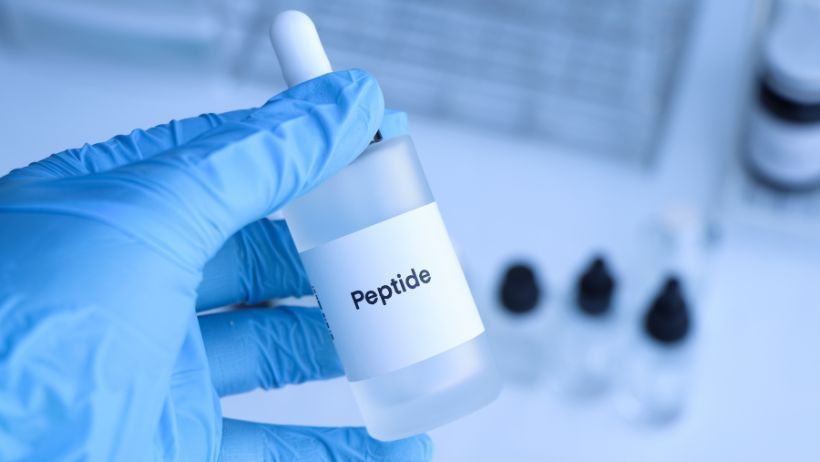
https://i.ibb.co/zcRH0Yt/5ea80b706d495aef7f77628766de4b19.jpg

What Peptide Therapy Means for Practices

For a practice, peptide therapy is a treatment category that can support protocols in areas such as wellness, recovery, anti-aging, and weight management. The exact formulations depend on the provider’s prescription and the pharmacy’s legal compounding capabilities.peptide-protocols+2

Because peptide sourcing is highly dependent on regulatory status and product availability, the page should stay focused on how practices source it, not on making broad patient claims.peptidejournal+1

Who This Service Is For

This page should speak directly to:

  • Medical practices.
  • Wellness centers.
  • Med spas.
  • Functional medicine clinics.
  • Weight management providers.
  • Integrative medicine practices.

The language should stay business-focused and avoid consumer-style wording. That makes the page stronger for B2B traffic and more relevant to providers looking for a reliable pharmacy partner.pepworkshub+2

Read About What Are Peptides? Benefits, Uses & How They Work

How to Source Peptide Therapy

This section should be practical and easy to scan.

  1. Identify the peptide protocols your practice wants to offer.
  2. Confirm whether you need sterile or non-sterile compounding.
  3. Verify the pharmacy’s provider onboarding process.
  4. Review fulfillment timelines and support options.
  5. Make sure the pharmacy works with patient-specific prescriptions.
  6. Set up a provider account and start ordering.

This is the kind of section that can perform well in AI Overviews because it answers the sourcing question directly and in sequence.promisepharmacy+2

Certifications and Compliance

Any peptide therapy pharmacy partner should be able to show clear compliance standards. For provider use, the most important check points are 503A pharmacy status for patient-specific prescriptions, relevant USP compounding standards, and any third-party verification or licensing that can be publicly confirmed.peptidealliance+2

Clinics should also verify whether the pharmacy supports sterile compounding, what quality controls are in place, and whether the pharmacy can provide documentation that aligns with state and federal expectations. A compliance-first section like this is essential for trust, especially in a B2B page.peptidejournal+2

where to get peptide therapy

What Providers Should Look For

When choosing a peptide pharmacy partner, practices should evaluate:

  • Provider-only workflow.
  • Compounding capabilities.
  • Fulfillment reliability.
  • Clear communication.
  • Wholesale pricing.
  • Backup supply planning.
  • Documentation and compliance support.

That combination is often what separates a real business partner from a general vendor.peptideteam+2

Discover Best Peptides for Fat Loss: Top Formulations for Weight Management

FAQs

Where do clinics get peptide therapy?

They typically source it from a licensed compounding pharmacy that supports provider prescriptions and clinic workflows.peptide-protocols+1

Is peptide therapy available for providers only?

This page should position the service as provider-focused, with access intended for clinics and medical practices.pepworkshub+1

What certifications should a peptide pharmacy have?

Look for licensing, 503A status for patient-specific prescriptions, and relevant USP standards when applicable.peptidealliance+1

Can a med spa open a peptide account?

Yes, if the pharmacy supports business accounts for med spas and the practice meets verification requirements.optimantra+1

Is peptide therapy the same as peptide supplements?

No. This page is about pharmacy-based peptide therapy for practices, not over-the-counter supplements or retail products.peptidedossier+1

Your patients expect precision. Your practice deserves a pharmacy partner that delivers it.

  • ✔ Florida DOH Licensed — Special Sterile Compounding Qualified (#PH35337)
  • ✔ DEA Registered — Schedules II through V (#FE4155974)
  • ✔ LegitScript Certified
  • ✔ HIPAA Compliant
  • ✔ Same-day shipping — prescriptions received before 2:00 PM EST
  • ✔ Secure HIPAA-compliant provider portal
  • ✔ Direct pharmacist consultation — no call center routing
  • ✔ No minimum order volume
  • ✔ Tampa, Florida — serving aesthetic practices nationwide

Become a Provider → Call: (877) 443-7711 | 5325 Primrose Lake Circle, Suite A, Tampa, FL 33647

The role of Peptides in medical weight loss

The Role of Peptides in Medical Weight Loss: A Clinical Guide for Healthcare Providers

By Compounding Pharmacy, Peptide TherapyNo Comments

The role of Peptides in medical weight loss, In the rapidly evolving landscape of metabolic health and anti-aging medicine, medical weight loss programs have shifted from general caloric deficit strategies to precise cellular interventions. For healthcare providers and medical clinics in the Tampa Bay area, incorporating compounded peptides into patient protocols has emerged as a gold standard for achieving sustainable, long-term outcomes.

This clinical guide explores the therapeutic mechanisms of weight loss peptides, their operational integration into medical practices, and the critical regulatory standards required for compliance-driven sourcing.

1. The Mechanism of Action Behind Weight Loss Peptides

Peptides function as precise signaling molecules that mimic endogenous hormones to regulate metabolic pathways, appetite, and adipose tissue breakdown. Unlike traditional stimulants, metabolic peptides offer a highly targeted approach to fat loss without overstimulating the central nervous system.

What is the Clinical Advantage of Peptides Over Stimulants?

From a practitioner’s perspective, peptides optimize the body’s natural endocrine response. They directly influence cellular receptors involved in insulin sensitivity, lipolysis, and gastric emptying. This allows provider-managed clinics to craft comprehensive medical weight loss protocols that address the root biochemical causes of obesity and metabolic dysfunction, rather than merely suppressing appetite temporarily.

The role of Peptides in medical weight loss

Contact us

2. Primary Peptides Utilized in Medical Weight Loss Protocols

To build an effective B2B medical weight loss program, practitioners utilize specialized classes of compounded peptides based on individual patient biomarkers.

Discover Peptide Therapy for Weight Loss: How It Works

GLP-1 and GIP Receptor Agonists: Semaglutide and Tirzepatide

These dual-action and single-action incretin mimetics revolutionized metabolic therapy. They enhance glucose-dependent insulin secretion, delay gastric emptying, and signal satiety directly to the hypothalamus. Compounded variations allow clinics to adjust precise dosing schedules to minimize gastrointestinal side effects for patients.

Growth Hormone Secretagogues (GHS): Sermorelin and Ipamorelin

Sermorelin and Ipamorelin stimulate the pituitary gland to release endogenous growth hormone (GH). In medical weight loss programs, these peptides are utilized to accelerate visceral fat reduction, optimize resting metabolic rate, and improve sleep quality—all while protecting vital lean body mass during active caloric deficits.

Cellular Metabolic Regulators: AOD9604

AOD9604 is a modified fragment of the human growth hormone C-terminus, specifically engineered to stimulate lipolysis (fat burning) and inhibit lipogenesis (the transformation of non-fatty foods into body fat). Because it does not impact blood sugar levels or IGF-1 production, it remains a highly favorable alternative for clinics managing patients with pre-diabetic profiles.

Discover Best Medical Weight Loss Tampa Programs

3. Clinical Benefits of Incorporating Peptides into Medical Weight Loss Programs

Integrating advanced compounding solutions into your practice provides distinct advantages that elevate clinical outcomes and business retention.

Targeted Visceral Fat Loss vs. Lean Muscle Mass Preservation

A major risk of rapid weight loss through standard diets or commercial medications is sarcopenia (muscle wasting). Compounded peptide therapies, particularly GHS combinations, preserve lean muscle tissue while selectively targeting adipose fat layers. Maintaining muscle mass is crucial for keeping the patient’s basal metabolic rate (BMR) elevated post-treatment.

Long-Term Metabolic Rate Optimization

By repairing underlying receptor pathways, peptide protocols help reset the patient’s “metabolic setpoint.” This structural shift prevents the rebound weight gain commonly seen after patients discontinue traditional weight loss programs.

4. Sourcing and Compliance Standards for Compounded Peptides

Sourcing sterile preparations requires strict adherence to federal and state regulations. For clinics operating throughout Florida and the United States, your compounding partner’s credentials dictate your practice’s legal safety and treatment efficacy.

Read About Compounded weight loss medications Tampa:

EmeraldsRx Certifications and Quality Assurance Protocols

At EmeraldsRx, patient safety and medical compliance are our highest operational priorities. Our specialized facility operates with rigorous oversight to ensure every peptide formulation meets standard pharmaceutical benchmarks:

  • Florida State Pharmacy Board Licensure: Verified compliance with strict Florida Department of Health regulations for sterile and non-sterile medication preparation.
  • Adherence to USP Standards: Our compounding workflows strictly align with federal quality control guidelines to guarantee absolute stability, potency, and sterility.
  • Premium Raw Material Sourcing: We source active pharmaceutical ingredients (APIs) strictly from verified, FDA-registered manufacturers, providing practitioners with peace of mind regarding formulation purity.

Contact us

5. Frequently Asked Questions by Healthcare Providers (PAA Focus)

What is the average turnaround time for custom peptide prescriptions?

For medical practices in the Tampa, Clearwater, and St. Petersburg markets, local fulfillment channels ensure rapid turnaround times. Most customized sterile peptide preparations are processed, quality-tested, and shipped within 48 to 72 business hours to minimize onboarding delays for your patients.

How do compounded peptides compare to commercial weight loss medications?

Compounded peptides provide unmatched clinical flexibility. While commercial brand-name medications are subject to frequent national supply chain shortages and rigid, pre-set dosing pens, custom compounding allows medical providers to tailor specific dosages, adjust combinations (e.g., mixing Semaglutide with B12), and secure consistent supply volumes for their practices.

The role of Peptides in medical weight loss

What are the storage and stability requirements for sterile peptide formulations?

Sterile compounded peptides are highly temperature-sensitive biologics. They require continuous refrigeration (between 2°C and 8°C) and must be shipped in temperature-controlled, insulated medical packaging to prevent degradation and guarantee clinical potency upon arrival at your clinic or patient’s home.

Anti-Aging Peptides Tampa

Anti-Aging Peptides Tampa: Science-Backed Skin & Cellular Rejuvenation

By Compounding Pharmacy, Peptide TherapyNo Comments

Anti-Aging Peptides Tampa are short chains of amino acids that stimulate natural biological processes declining with age. They boost collagen production, reduce wrinkles, improve skin elasticity, and support muscle growth, fat loss, and cellular repair. Unlike commercial anti-aging creams, peptide therapy for anti-aging offers targeted biological effects through injectables, topical serums, and oral formulations. This guide covers best peptides for anti-aging, benefits, risks, and how to choose the right peptide for your goals.


What Are Anti-Aging Peptides Tampa?

Peptides are basically short proteins that are about 2–100 amino acids long. Anti-aging peptides tampa signal the body to produce more collagen, repair damaged cells, and slow the aging process. They work through specific biological pathways that commercial supplements cannot match.

Common types of anti-aging peptides tampa:

  • Signal peptides — stimulate collagen synthesis (e.g., palmitoyl pentapeptide-4)
  • Carrier peptides — deliver trace elements for enzymatic processes (e.g., copper peptide GHK-Cu)
  • Neurotransmitter inhibitor peptides — reduce muscle contractions (e.g., Argireline/acetyl hexapeptide-8)
  • Enzyme inhibitor peptides — prevent collagen breakdown (e.g., soy peptide)

Typical uses for anti-aging peptides tampa:

  • Wrinkle reduction — see best peptides for anti-aging for topical serums
  • Skin elasticity improvement — collagen boost for youthful appearance
  • Muscle mass preservation — prevent age-related sarcopenia
  • Wound healing — accelerate tissue repair
  • Bone density support — prevent age-related bone loss

Regulatory note: Anti-aging peptides tampa are not FDA-approved as drugs for anti-aging — they’re sold as supplements or compounded medications under 503A pharmacy regulations.

Anti-Aging Peptides Tampa

Contact us

Best Anti-Aging Peptides Tampa for 2026 (Top 10 List)

Top peptides for health, fitness, and anti-aging based on clinical research and patient outcomes:

Peptide Primary Benefit Mechanism Best For
BPC-157 Healing powerhouse Accelerates tissue repair, reduces inflammation Wound healing, injury recovery, gut health
TB-500 (Thymosin Beta-4) Flexibility booster Promotes cell migration, reduces stiffness Muscle recovery, joint flexibility, athletic performance
CJC-1295 + Ipamorelin Growth hormone stimulation Increases GH/IGF-1, improves sleep quality Anti-aging, muscle growth, fat loss
Semaglutide Weight loss + metabolic health GLP-1 agonist, suppresses appetite Best peptides for fat loss, metabolic support
GHK-Cu (Copper Peptide) Skin rejuvenation Boosts collagen, reduces oxidative stress Topical anti-aging, wrinkle reduction, scar healing
Palmitoyl Pentapeptide-4 Collagen synthesis Signals fibroblasts to produce collagen Topical serums, anti-aging peptides for skin
Acetyl Hexapeptide-8 (Argireline) Botox-like effect Reduces muscle contractions Wrinkle cream, forehead lines, crow’s feet
Epithalamin Cellular longevity Telomere extension, circadian rhythm regulation Longevity, anti-aging, sleep quality
Semax Cognitive enhancement Increases BDNF, neuroprotection Brain health, memory, focus
Selank Anxiety reduction Modulates GABA, reduces stress Mental wellness, stress management, anti-aging

Three critical benefits:

  • Targeted biological effects — unlike broad supplements
  • Multiple delivery methods — injectables, topical, oral
  • Customizable dosing — see peptide compounding pharmacy for personalized formulations

Best peptides for anti-aging skin: GHK-Cu, palmitoyl pentapeptide-4, acetyl hexapeptide-8 — all available in topical serums (see Vogue’s best peptide skincare guide).

Contact us

How Anti-Aging Peptides Tampa Work (Mechanism of Action)

Peptide therapy for anti-aging involves administration of specific peptides to stimulate natural biological processes that decline with age:

1. Collagen Synthesis (Signal Peptides)

Signal peptides bind to fibroblast receptors in skin, triggering collagen and elastin production. This reduces wrinkle depth and improves skin firmness. Example: palmitoyl pentapeptide-4 increases collagen by 30–50% in clinical studies.

2. Cellular Repair (Carrier Peptides)

Carrier peptides deliver trace elements (copper, zinc) to enzymes involved in tissue repair and antioxidant defense. Example: GHK-Cu (copper peptide) accelerates wound healing and reduces oxidative stress.

3. Muscle Relaxation (Neurotransmitter Inhibitors)

These peptides block acetylcholine release at neuromuscular junctions, reducing muscle contractions that create wrinkles. Example: Argireline produces Botox-like results without injections (see Vogue’s peptide serum comparison).

4. Hormone Regulation (Growth Hormone Secretagogues)

These peptides stimulate pituitary gland to release growth hormone (GH) and IGF-1, improving muscle mass, fat metabolism, and sleep quality. Example: CJC-1295 + Ipamorelin increases GH by 2–5x baseline.

Bottom line: Anti-aging peptides work through specific biological pathways, not broad mechanisms like commercial supplements.

Anti-Aging Peptides Tampa

Anti-Aging Peptides: Benefits vs. Risks

Benefit Risk/Side Effect Notes
Slow down aging process Injection site reactions (redness, swelling) Most common with injectables
Improve wound healing Allergic reactions (rare) Patch test for topical peptides
Prevent age-related bone loss Nausea (with GLP-1 peptides like semaglutide) Microdosing minimizes side effects
Build strength and muscle mass Cost (typically $150–$400/month) Cheaper than commercial anti-aging treatments
Reduce wrinkles and improve elasticity Limited long-term data Most studies are short-term (6–12 months)
Enhance cognitive function Regulatory uncertainty Not FDA-approved for anti-aging
Support fat loss Quality control (research chemicals vs. pharmaceutical-grade) Choose 503A compounding pharmacy

Three bold safety markers:

  • Only use pharmaceutical-grade peptides — not research chemicals
  • Consult a healthcare provider before starting peptide therapy
  • Choose licensed compounding pharmacy with USP <797> certification

For benefits of compounded medications, compounding offers purity, customization, and pharmaceutical-grade quality that supplements cannot match.

Contact us

Anti-Aging Peptides Tampa for Skin vs. Systemic Anti-Aging

Anti-aging peptides tampa  serve two distinct purposes — topical skin rejuvenation vs. systemic whole-body anti-aging:

Type Topical (Skin) Systemic (Whole-Body)
Delivery Method Serums, creams, lotions Injectables, sublingual, oral
Primary Goal Reduce wrinkles, improve elasticity, boost collagen Increase muscle mass, fat loss, organ function, longevity
Best Peptides GHK-Cu, palmitoyl pentapeptide-4, Argireline CJC-1295 + Ipamorelin, BPC-157, TB-500, semaglutide
Onset Time 4–8 weeks (visible improvement) 2–4 weeks (energy, sleep), 8–12 weeks (muscle, fat)
Examples Medik8 Liquid Peptides, SkinCeuticals P-TIOX Serum (Vogue)  Peptide therapy for weight loss, anti-aging peptides dermatology compounding pharmacy florida
Regulation Cosmeceutical (not FDA-regulated) Compounded medication (503A pharmacy, prescription-only)

Bottom line: Topical peptides = skin-specific anti-aging. Systemic peptides = whole-body rejuvenation.

For dermatology compounding pharmacy needs, topical anti-aging peptides tampa are often combined with custom skincare formulations for dermatology practices (e.g., tretinoin + GHK-Cu).


Certifications & Compliance for Anti-Aging Peptide Therapy


Credential License # Applies To Why It Matters
Compounding Pharmacy (Sterile) Fla. DOH #PH35337 USP <797> sterile + Schedule II/III Required for injectable peptides (CJC-1295, BPC-157)
Community Pharmacy Fla. DOH #PH35074 USP <795> non-sterile + Schedule II/III Required for topical serums, oral capsules
DEA Controlled Substance #FE4155974 Schedules II–V Required for peptide medications
LegitScript Certified Digital pharmacy legitimacy Google/Bing recognized — independent verification
HIPAA Compliant PHI safeguards + BAA Secure provider portal for prescriptions
Pharmacy Tech Training Fla. DOH #RTTP1477 Formal training authorization E-E-A-T signal for peptide expertise
Biomedical Waste Permit #29-64-2899253 Waste management compliance Inspected operations for injectables

Three bold compliance markers:

  • USP <797> for sterile injectables (peptide therapy)
  • 503A pharmacy (patient-specific prescriptions) — not 503B (outsourcing facility)
  • LegitScript Certified — gold standard for digital pharmacy legitimacy

Verify publicly:

  • Fla. DOH MQA portal: https://mqa-internet.doh.state.fl.us (search #PH35337 or #PH35074)
  • LegitScript: https://legitscript.com

As a pharmacy with peptide compounding capabilities, Emerald provides the benefits of compounded medications for anti-aging peptides tampa dermatology compounding pharmacy florida patients.

Anti-Aging Peptides Tampa

Contact us

Frequently Asked Questions (FAQs)

What are anti-aging peptides tampa?

Short chains of amino acids (2–100) that stimulate collagen production, reduce wrinkles, improve skin elasticity, and support muscle growth, fat loss, and cellular repair. They work through specific biological pathways unlike commercial supplements.

Do anti-aging peptides tampa really work?

Yes — clinical studies show 30–50% collagen increase with palmitoyl pentapeptide-4, Botox-like effects with Argireline, and 2–5x growth hormone increase with CJC-1295 + Ipamorelin.

What is the best peptide for anti-aging?

Top 3 for skin: GHK-Cu (copper peptide), palmitoyl pentapeptide-4, Argireline. Top 3 for whole-body: CJC-1295 + Ipamorelin, BPC-157, TB-500 — depends on your goals.

Are anti-aging peptides tampa safe?

Yes when sourced from licensed 503A compounding pharmacy with USP <797> certification. Avoid research chemicals — they lack quality control. Common side effects: injection site reactions, mild nausea.

How much do anti-aging peptides tampa cost?

$150–$400/month (B2B wholesale, depending on dosage/pharmacy) vs. $900+/month for commercial anti-aging treatments. Topical serums: $50–$150 (Vogue’s best peptide skincare).

Can I buy anti-aging peptides without a prescription?

Topical serums (cosmeceutical) — yes. Injectables (compounded medication) — no, requires prescription from healthcare provider under 503A pharmacy regulations.

What is the difference between peptide therapy and anti-aging supplements?

Peptide therapy = pharmaceutical-grade, targeted biological effects, prescription-only. Supplements = broad mechanisms, over-the-counter, less purity/control.

How long until I see results from anti-aging peptides?

Topical: 4–8 weeks (visible skin improvement). Injectables: 2–4 weeks (energy, sleep), 8–12 weeks (muscle, fat, collagen).

Can anti-aging peptides be combined with other treatments?

Yes — often combined with retinoids (tretinoin), vitamin C, hyaluronic acid, Botox, or laser therapy for enhanced results. See custom skincare formulations for dermatology practices for combination protocols.

Does Emerald offer anti-aging peptide formulations?

Yes — Emerald offers peptide therapy for anti-aging, anti-aging peptides tampa, best peptides for fat loss, and compounded weight loss medications through licensed sterile (USP <797>) and non-sterile (USP <795>) compounding for Tampa, and Florida patients.


Partner with Emerald — Your Anti-Aging Peptide Partner

Emerald is a Florida-licensed, LegitScript-certified pharmacy with sterile (USP <797>) capabilities for Tampa patients, aesthetic clinics, med spas, and wellness providers seeking anti-aging peptide therapy.

We prepare:

  • Topical anti-aging: GHK-Cu serums, palmitoyl pentapeptide-4, Argireline creams
  • Injectable peptides: CJC-1295 + Ipamorelin, BPC-157, TB-500, semaglutide
  • Custom formulations: anti-aging peptides dermatology compounding pharmacy florida — combined with tretinoin, vitamin C, hyaluronic acid

All to pharmaceutical-grade standards, ship same-day (<2:00 PM EST), with pharmacist consultation for dosage recommendations.

✔ Fla. DOH #PH35337 (Sterile, USP <797>)
✔ Fla. DOH #PH35074 (Non-Sterile, USP <795>)
✔ DEA #FE4155974 (Schedules II–V)
✔ LegitScript Certified | HIPAA Compliant
✔ Same-day shipping | No minimum order
✔ B2B contract pricing ($150–$400/month)

Become a Provider → (877) 443-7711 | Emerald | Tampa, FL

For anti-aging peptides tampa, peptide therapy for weight loss, or peptide compounding pharmacy services, Emerald is your trusted partner for best peptides for fat loss and custom peptide formulations.

Weight Loss Compounding Pharmacy Tampa

Weight Loss Compounding Pharmacy tampa | Custom Obesity Care USA

By Compounding Pharmacy, Medical Weight LossNo Comments

weight loss compounding pharmacy tampa, Medical providers in Tampa choose our weight loss compounding pharmacy tampa for custom compounded GLP-1 medications, peptide therapy for weight loss, and metabolic support formulations that commercial pharmacies can’t match: exact dosing, cost-effective pricing, and sterile injectables. We prepare semaglutide, tirzepatide, liraglutide, and GLP-1 + B12 combinations to USP <797> standards with same-day shipping for Florida practices seeking medical weight loss Tampa solutions.

weight loss compounding pharmacy tampa

What Is a Weight Loss Compounding Pharmacy?

A weight loss compounding pharmacy tampa is a licensed facility that prepares patient-specific prescription medications for weight management, metabolic support, and appetite suppression. Unlike commercial pharmacies with fixed GLP-1 products, we create custom formulations with provider-specified concentrations, delivery methods, and excipient controls.

Common compounded weight loss medications include:

  • Semaglutide (GLP-1 agonist) — for compounded weight loss medications
  • Tirzepatide (GLP-1 + GIP dual agonist) — best peptides for fat loss
  • Liraglutide (GLP-1 agonist) — alternative to Wegovy
  • GLP-1 + B12 combinations — enhanced metabolic support
  • Custom peptide blends — see peptide compounding pharmacy for anti-aging peptides

Regulatory standard: USP <797> (sterile injectables) for GLP-1 medications.

Unlike retail pharmacies, a weight loss compounding pharmacy tampa provides:

  • Personalized dosages — tailored to individual metabolic needs
  • Alternative delivery methods — injectables, sublingual, or oral options
  • Cost-effective pricing — typically $150–$400/month vs. $900+ for commercial GLP-1s
  • Shortage-proof — on-demand preparation when commercial products are unavailable

Contact us

Why Tampa Providers Choose Our Weight Loss Compounding Pharmacy

Emerald delivers operational advantages that Tampa-area pharmacies don’t match for medical weight loss Tampa programs:

Feature Emerald Commercial Pharmacy
Custom Dosing Yes — any concentration (e.g., semaglutide 0.25mg–2.4mg) Fixed only (manufacturer决定的)
GLP-1 Availability On-demand (no supply chain gaps) Frequent shortages (semaglutide/tirzepatide documented) 
Pricing Wholesale B2B (~$150–$400/month) Retail/PBM ($900+/month without insurance)
Delivery Methods Injectables, sublingual, oral Injectables only
Portal Online ordering + COA (provider dashboard) Phone/fax only
Consultation Direct pharmacist (dosage recommendations) No pharmacist consultation

Three critical differentiators:

  • No minimum order volume — flexible for small/medium practices
  • Fla. DOH licensed + DEA registered + LegitScript certified — full regulatory transparency
  • Same-day shipping (orders before 2:00 PM EST) — faster than competitors

Unlike Mycelium Pharmacy (telehealth-focused, not B2B provider) or Triangle Compounding (consumer-focused, no provider portal), we’re built for medical practices, wellness clinics, and med spas with B2B infrastructure.

weight loss compounding pharmacy tampa

Contact us

Custom-Compounded Weight Loss Medications We Prepare

Advanced weight loss medications carefully compounded to enhance metabolic function, suppress appetite, and support long-term weight management:

Medication Type Mechanism Provider Use
Semaglutide GLP-1 receptor agonist Regulates blood sugar, suppresses appetite, supports weight reduction Best for patients needing GLP-1 without Wegovy pricing
Tirzepatide GLP-1 + GIP dual agonist Enhances insulin production, promotes satiety, more effective weight loss Best peptides for fat loss — dual mechanism for stubborn weight
Liraglutide GLP-1 receptor agonist Similar to Saxenda — reduces cravings, improves insulin response Alternative for patients who can’t access Saxenda
GLP-1 + B12 Combination formula GLP-1 + vitamin B12 — enhanced metabolic support, offsets nutrient deficiencies Medical weight loss Tampa — supports energy during calorie restriction
Custom Peptide Blends Peptide therapy Anti-aging peptides + metabolic support — see peptide therapy for weight loss Best for patients needing hormone + metabolic balance

Three provider benefits:

  • No commercial constraints — prescribe exact concentration (0.25mg, 0.5mg, 1mg, 2mg, etc.)
  • Shortage-proof — on-demand preparation when Wegovy/Zepbound unavailable
  • Tolerability — microdosing options to minimize side effects (nausea, GI issues)

For practices offering advanced skin care solutions, custom skincare formulations for dermatology practices, and medical weight loss Tampa, we provide integrated compounding under one provider account.


Compounded vs Commercial Weight Loss Medications

Critical comparison for providers choosing a weight loss compounding pharmacy tampa:

Feature Our Compounded GLP-1 Commercial GLP-1 (Wegovy/Zepbound)
Cost $150–$400/month (B2B wholesale) $900–$1,300/month (without insurance)
Availability Always in stock (on-demand compounding) Frequent shortages (semaglutide/tirzepatide) 
Custom Dosing Yes — any concentration Fixed only (manufacturer决定)
Insurance Coverage Often not covered (out-of-pocket) Sometimes covered (with prior auth)
Delivery Methods Injectables, sublingual, oral Injectables only
Side Effects Lower (microdosing options) Higher (fixed concentrations)

Bottom line: Returns prescribing authority to the clinician — not bounded by manufacturer decisions or supply chain issues.

For compounded vs commercial drugs, compounding offers cost savings, availability, and customization that commercial products cannot match.

Contact us

Certifications & Compliance for Weight Loss Compounding


Credential License # Applies To Why It Matters
Compounding Pharmacy (Sterile) Fla. DOH #PH35337 USP <797> sterile + Schedule II/III Required for GLP-1 injectables, peptides, IV nutrients
Community Pharmacy Fla. DOH #PH35074 USP <795> non-sterile + Schedule II/III Required for oral capsules, liquids, creams
DEA Controlled Substance #FE4155974 Schedules II–V Required for weight loss peptides, GLP-1 medications
LegitScript Certified Digital pharmacy legitimacy Google/Bing recognized — independent verification
HIPAA Compliant PHI safeguards + BAA Secure provider portal for prescriptions
Pharmacy Tech Training Fla. DOH #RTTP1477 Formal training authorization E-E-A-T signal for GLP-1/peptide expertise
Biomedical Waste Permit #29-64-2899253 Waste management compliance Inspected operations for injectables

Three bold compliance markers:

  • USP <797> for sterile compounding (injectables, GLP-1 medications)
  • 503A pharmacy (patient-specific prescriptions) — not 503B (outsourcing facility)
  • LegitScript Certified — gold standard for digital pharmacy legitimacy

Verify publicly:

  • Fla. DOH MQA portal: https://mqa-internet.doh.state.fl.us (search #PH35337 or #PH35074)
  • LegitScript: https://legitscript.com
  • DEA Diversion Control: https://www.deadiversion.usdoj.gov

As a weight loss compounding pharmacy tampa with full compliance, Emerald provides the benefits of compounded medications that commercial pharmacies cannot match.

weight loss compounding pharmacy tampa

Contact us

Frequently Asked Questions (FAQs)

What is a weight loss compounding pharmacy tampa?

A licensed pharmacy preparing patient-specific GLP-1 medications (semaglutide, tirzepatide, liraglutide) for weight management, appetite suppression, and metabolic support. Unlike commercial GLP-1s, compounding offers custom dosing and lower cost ($150–$400/month).

What are compounded GLP-1 medications and how do they work?

Compounded GLP-1s mimic natural hormones that regulate blood sugar and appetite. They reduce cravings, improve insulin response, and support long-term weight loss when combined with diet, movement, and medical oversight.

Who is a good candidate for compounded weight loss drugs?

Individuals who’ve tried traditional diets, exercise, and commercial medications without success. Ideal for those needing tailored doses, ingredient adjustments, or alternative delivery methods (e.g., sublingual vs. injectable).

Can you compound semaglutide and tirzepatide?

Yes — we prepare semaglutide 0.25mg–2.4mg, tirzepatide 2.5mg–15mg, and GLP-1 + B12 combinations. These are best peptides for fat loss for medical weight loss Tampa patients.

How much does compounded weight loss medication cost?

$150–$400/month (B2B wholesale, depending on dosage/pharmacy) vs. $900–$1,300/month for commercial Wegovy/Zepbound without insurance.

Is compounded weight loss medication covered by insurance?

Often not covered (compounded medications are typically out-of-pocket), but we offer competitive pricing and guidance on affordable options.

What is the difference between 503A and 503B compounding?

503A = patient-specific prescriptions (true compounding pharmacy). 503B = outsourcing facility (bulk manufacturing). We’re a 503A pharmacy — required for GLP-1 compounding.

Does Emerald offer both sterile and non-sterile compounding?

Yes — Emerald is licensed for both sterile (USP <797>, Fla. DOH #PH35337) and non-sterile (USP <795>, Fla. DOH #PH35074) compounding, serving Tampa, and Florida for medical weight loss Tampa programs.

Can you work with my lab results or hormone testing?

Yes — we partner with your provider to interpret thyroid panels, metabolic markers, and more — offering personalized treatment insights alongside your compounded medication.

How do I open a provider account?

Submit credentials + license verification. Approval in 24–48 hours. No minimum order. For peptide therapy for weight loss, GLP-1 medications, and compounded weight loss medications, we provide B2B contract pricing. 

Become a Provider →


Partner with Emerald — Tampa’s Weight Loss Compounding Partner

Emerald is a Florida-licensed, LegitScript-certified weight loss compounding pharmacy tampa with sterile (USP <797>) capabilities for Tampa medical practices, wellness clinics, med spas, and patients.

We prepare:

  • GLP-1 medications: semaglutide, tirzepatide, liraglutide, GLP-1 + B12
  • Peptide therapy: best peptides for fat loss, anti-aging peptides, peptide therapy for weight loss
  • Metabolic support: custom vitamin supplements, thyroid support, hormone balance

All to pharmaceutical-grade standards, ship same-day (<2:00 PM EST), with pharmacist consultation for dosage recommendations.

✔ Fla. DOH #PH35337 (Sterile, USP <797>)
✔ Fla. DOH #PH35074 (Non-Sterile, USP <795>)
✔ DEA #FE4155974 (Schedules II–V)
✔ LegitScript Certified | HIPAA Compliant
✔ Same-day shipping | No minimum order
✔ B2B contract pricing ($150–$400/month)

Become a Provider → (877) 443-7711 | Emerald | Tampa, FL

For weight loss compounding pharmacy needs, medical weight loss Tampa, or peptide compounding pharmacy services, Emerald is your trusted partner for custom compounded weight loss medications.

Compounded weight loss medications

Compounded weight loss medications Tampa: Safe & Customized Options

By Compounding Pharmacy, Medical Weight LossNo Comments

Compounded weight loss medications Tampa, The demand for weight loss medications has fundamentally shifted how clinical practices approach obesity treatment. Since the surge in GLP-1 receptor agonist prescriptions, providers across the United States have faced a persistent challenge: their patients need access to effective, personalized therapies, but brand-name supply chains, insurance barriers, and one-size dosing constraints continue to get in the way.

Compounded Weight Loss Medications tampa have emerged as a clinically viable solution — one that gives providers the flexibility to meet individual patient needs while maintaining pharmaceutical-grade standards. For medical practices, weight loss clinics, and med spas looking to expand or strengthen their weight management programs, understanding how these medications work, how they are regulated, and how to source them responsibly is no longer optional. It is essential.

This guide is written for licensed healthcare providers who want a clear, up-to-date resource on Compounded Weight Loss Medications tampa in 2026 — covering what they are, what types are available, the regulatory landscape, and how to choose a pharmacy partner that keeps your practice compliant and your patients safe.


What Are Compounded Weight Loss Medications Tampa?

Compounded weight loss medications Tampa are patient-specific pharmaceutical formulations prepared by licensed compounding pharmacies based on a valid prescription from a licensed healthcare provider. Unlike commercially manufactured drugs that are mass-produced in standardized doses and formulations, compounded medications are customized to meet an individual patient’s clinical needs.

In the context of weight management, these medications most commonly involve GLP-1 receptor agonists — including semaglutide and tirzepatide — which work by mimicking gut hormones that regulate appetite, blood sugar, and satiety. Compounded versions allow providers to prescribe custom doses, adjust titration schedules, and incorporate complementary ingredients such as vitamin B12 or L-carnitine to support patient outcomes.

Compounded medications are not FDA-approved as finished drug products, but they are prepared using pharmaceutical-grade active pharmaceutical ingredients (APIs) and must be compounded by licensed pharmacists under strict state and federal regulations. A prescription from a licensed provider is required for all Compounded weight loss medications Tampa.

Discover Compounding Pharmacy Services-Weight Loss, HRT & Peptides

How Do They Differ from Brand-Name GLP-1 Drugs?

Brand-name GLP-1 medications such as Ozempic, Wegovy, Mounjaro, and Zepbound are manufactured by pharmaceutical companies, undergo extensive FDA clinical trials, and are approved as finished drug products with fixed dosing options. Compounded GLP-1 medications are prepared by a licensed pharmacy to meet specific patient prescriptions and are not FDA-approved in their final form.

Feature Brand-Name GLP-1 (e.g., Wegovy) Compounded GLP-1
FDA Approval Yes — as finished product No — but uses pharmaceutical-grade APIs
Dosing Flexibility Fixed manufacturer increments Fully customizable by prescriber
Formulation Options Standardized Custom: injectable, sublingual, oral
Availability Subject to national supply shortages Prepared on-demand by pharmacy
Cost $900–$1,400/month out-of-pocket Generally more accessible
Additive Ingredients None B12, L-carnitine, and others possible
Requires Prescription Yes Yes — always

For providers managing patients who cannot access brand-name medications due to supply issues, cost, or dosing requirements, compounded GLP-1 medications offer a legitimate, clinically supervised alternative — provided they are sourced from a properly licensed and certified compounding pharmacy.

Compounded weight loss medications

Types of Compounded Weight Loss Medications Available

Licensed compounding pharmacies can prepare a range of weight management formulations depending on the provider’s prescription and the patient’s clinical profile. The following represent the most commonly Compounded weight loss medications Tampa in clinical use.

Compounded Semaglutide: What Providers Should Know

Semaglutide is the active ingredient in Ozempic and Wegovy, both manufactured by Novo Nordisk. It functions as a GLP-1 receptor agonist, reducing appetite, slowing gastric emptying, and improving glycemic control.

Compounded semaglutide is typically prepared as a sterile injectable solution, which requires a pharmacy with USP Chapter 797 sterile compounding capabilities. Providers should be aware of the following clinical and regulatory points:

  • Dosing flexibility: Compounded semaglutide can be formulated at any dose increment, allowing providers to customize titration schedules for patients with GI sensitivities or those requiring gradual dose escalation.
  • Combination formulations: Compounded preparations may include vitamin B12 (cyanocobalamin or methylcobalamin) to support energy levels during caloric restriction.
  • Sterile preparation requirement: All injectable semaglutide must be prepared in a licensed sterile compounding facility compliant with USP 797 standards. This is a non-negotiable compliance requirement — not all compounding pharmacies hold sterile licensure.
  • FDA status 2026: Semaglutide’s shortage status has been a moving target. Providers should confirm current FDA shortage list status before sourcing compounded semaglutide, as compounding is only legally permitted under specific conditions related to shortage designation or patient-specific need.

Compounded Tirzepatide: Clinical Considerations

Tirzepatide is the active ingredient in Mounjaro and Zepbound, manufactured by Eli Lilly. It operates as a dual GIP/GLP-1 receptor agonist, producing stronger appetite suppression and metabolic effects than semaglutide in comparative studies.

Key clinical and regulatory considerations for providers:

  • Dual mechanism advantage: The GIP agonism component of tirzepatide produces additive effects on insulin secretion and fat metabolism, making it particularly valuable for patients with insulin resistance or metabolic syndrome.
  • Custom dose titration: Standard Zepbound dosing increments may not suit all patients. Compounded tirzepatide allows providers to prescribe intermediate dose steps that reduce GI side effects during titration.
  • Shortage list update: Tirzepatide was removed from the FDA drug shortage list in early 2025. Compounding of tirzepatide under shortage provisions is no longer permitted as a blanket authorization. Providers and pharmacies must rely on patient-specific compounding criteria under 503A provisions or consult legal counsel regarding current 503B status. Always verify current FDA guidance before prescribing compounded tirzepatide.
  • Sterile compounding required: Like semaglutide, compounded tirzepatide is an injectable and demands full USP 797 sterile compounding compliance.

Contact us

Benefits of Compounded Weight Loss Medications for Clinical Practices

For healthcare providers building or expanding weight management programs, compounded medications offer a set of distinct clinical and operational advantages that commercially manufactured drugs cannot replicate.

  1. Customizable Dosing for Better Patient Outcomes Standard GLP-1 medications come in fixed doses designed for the average patient. In clinical practice, patients vary significantly in their tolerance, metabolism, and therapeutic response. Compounded formulations allow prescribers to start patients at lower doses, increase more gradually, or plateau at sub-therapeutic doses that still produce meaningful results with fewer side effects.
  2. Access During Supply Constraints Nationwide shortages of Ozempic and Wegovy have left providers unable to fulfill prescriptions for patients who were responding well to therapy. Compounded versions prepared by a licensed pharmacy provide continuity of care when commercial supply chains fail — subject to FDA shortage list regulations.
  3. Combination Therapy Support Compounded pharmacies can incorporate complementary ingredients into weight loss formulations. B12 supplementation within the injectable reduces the fatigue commonly reported during caloric restriction. L-carnitine combinations support fat oxidation. These combinations are simply not possible with commercially manufactured products.
  4. Cost Accessibility for Patients With brand-name GLP-1 medications costing between $900 and $1,400 per month out-of-pocket — and limited insurance coverage for weight loss indications — many patients who would benefit clinically cannot access these therapies. Compounded alternatives allow practices to offer medically supervised treatment to a broader patient population.
  5. Formulation Flexibility Some patients are needle-averse or have difficulty with self-injection. Compounding allows for alternative delivery methods including oral troches, sublingual drops, or nasal spray formulations, expanding the patient population your practice can serve.
  6. Streamlined Provider Workflow A full-service compounding pharmacy partner handles preparation, quality testing, and direct shipping to patients. When the pharmacy offers same-day dispensing and a dedicated provider portal — as Emerald does — the operational burden on your practice is minimal.

Compounded weight loss medications

Regulatory Framework: What Providers Must Understand

Prescribing Compounded weight loss medications Tampa requires providers to understand the regulatory landscape that governs how these medications can legally be prepared and dispensed. Prescribing outside this framework creates liability for both the provider and the pharmacy.

503A vs. 503B Pharmacies The two primary categories of compounding pharmacies operating under the Drug Quality and Security Act (DQSA) are:

  • 503A pharmacies are traditional compounding pharmacies that prepare medications based on individual patient prescriptions from licensed practitioners. They are regulated primarily by state boards of pharmacy and are not required to register with the FDA.
  • 503B outsourcing facilities are registered with the FDA and are permitted to produce larger batches of compounded medications without individual prescriptions, subject to FDA inspection and Current Good Manufacturing Practice (CGMP) standards. They may supply healthcare facilities directly.

Most compounding pharmacies operating as weight loss partners for individual practices are 503A facilities. This means every prescription must be patient-specific, written by a licensed provider, and dispensed for that individual patient only.

DEA Controlled Substance Compliance Certain medications used in weight management protocols — including some appetite-modifying compounds — are DEA-scheduled controlled substances. Providers prescribing these compounds must hold appropriate DEA prescriber registration, and the dispensing pharmacy must hold a valid DEA registration authorizing Schedule II–V controlled substances.

State Pharmacy Licensing Compounding pharmacies must be licensed in both their home state and every state to which they ship medications. Providers should verify that their pharmacy partner holds active licenses in all states where their patients are located.

FDA Updates on GLP-1 Compounding: 2026 Status

The FDA’s regulatory position on compounded GLP-1 medications has evolved significantly since 2023 and continues to develop in 2026. Providers must stay current.

  • Semaglutide: The FDA’s shortage designation for semaglutide has experienced fluctuation. As of early 2026, providers should check the FDA Drug Shortage Database directly before prescribing compounded semaglutide, as shortage-based compounding authorization is subject to change.
  • Tirzepatide: The FDA removed tirzepatide from the national shortage list. Compounding under shortage provisions is no longer broadly authorized. Patient-specific 503A compounding may still apply in individual clinical circumstances — consult current FDA guidance and legal counsel.
  • Retatrutide and Cagrilintide: These investigational GLP-1/GIP/glucagon triagonists cannot legally be used in compounding under federal law regardless of shortage status. Do not prescribe compounded versions of these agents.
  • FDA enforcement: The FDA has issued warning letters to pharmacies compounding GLP-1 medications outside permitted circumstances. Providers sourcing from non-compliant pharmacies face prescriber liability. Always verify your pharmacy partner’s certifications before prescribing.

Contact us

How to Choose a Trusted Compounding Pharmacy for Weight Loss Medications

Not all compounding pharmacies are equal, and in the GLP-1 space specifically, the quality gap between compliant and non-compliant pharmacies is clinically significant. Before partnering with any compounding pharmacy for weight management, providers should evaluate the following criteria.

Sterile Compounding Capability All injectable weight loss medications — including compounded semaglutide and tirzepatide — must be prepared in a sterile compounding environment compliant with USP Chapter 797. Confirm the pharmacy holds active sterile compounding licensure from their state board of pharmacy. A non-sterile pharmacy cannot legally or safely prepare injectable compounds.

State Pharmacy Licensure Verify the pharmacy is licensed in Florida (or your relevant state) and in every state where your patients receive medications. Check license numbers directly against the state Department of Health’s verification database.

DEA Registration The pharmacy must hold active DEA registration authorizing Schedule II through V controlled substances if your protocols include any controlled-substance compounds.

LegitScript Certification LegitScript certification is the gold standard for online pharmacy legitimacy. It is recognized by Google, Bing, and leading payment processors as a verification of legal compliance, operational transparency, and ethical pharmacy practices. It is extremely rare among compounding pharmacies and signals a higher tier of accountability.

Same-Day Dispensing and Shipping For practices managing active weight loss programs, turnaround time matters clinically. A pharmacy that processes and ships prescriptions the same day — provided they are received before the cutoff — reduces gaps in patient therapy.

Provider Support Infrastructure A quality pharmacy partner should offer a dedicated provider portal for submitting prescriptions, tracking orders, and accessing formulation information, along with direct pharmacist consultation for complex cases.


Why Emerald Compounding Pharmacy Is a Certified Partner for Weight Management Programs

Emerald Compounding Pharmacy, based in Tampa, Florida, meets every criterion providers should require from a compounding pharmacy partner for weight management programs — and holds the documentation to prove it.

Certifications, Accreditations & Compliance

Community Pharmacy License — Florida DOH License #PH35074 Emerald Compounding Pharmacy is licensed by the Florida Department of Health to operate as a community pharmacy, with full authorization to dispense Schedule II and III controlled substances. License verification is publicly available through the Florida DOH MQA Search Services.

Compounding Pharmacy License with Sterile Specialization — Florida DOH License #PH35337 This license specifically authorizes Emerald to operate as a compounding pharmacy in Florida, with qualifications in Special Sterile Compounding and Schedule II and III substances. For providers prescribing injectable GLP-1 compounds, this sterile license is the most critical compliance credential to verify. Many compounding pharmacies do not hold sterile licensure. Emerald does.

DEA Controlled Substance Registration — #FE4155974 Emerald holds federal DEA registration covering Schedules II, IIN, III, IIIN, IV, and V. This registration authorizes Emerald to handle, dispense, and manage the full range of controlled substances under DEA regulations — essential for any practice incorporating scheduled compounds into their weight management protocols.

LegitScript Certified Emerald Compounding Pharmacy is LegitScript Certified — a designation that verifies adherence to the highest standards for pharmacy legality, safety, and transparency. LegitScript certification is recognized by Google, Bing, and digital platforms as confirmation that a pharmacy’s operations, advertising, and online presence meet rigorous regulatory requirements. This certification is held by a very small percentage of compounding pharmacies in the United States and reflects Emerald’s commitment to operating at the highest level of accountability.

HIPAA Compliant All patient Protected Health Information (PHI) is handled in full compliance with HIPAA. Emerald’s systems, provider portal, and prescription management processes are designed to protect patient privacy at every touchpoint — an essential requirement for any practice sharing patient data with a pharmacy partner.

Pharmacy Technician Training Program — Florida DOH License #RTTP1477 Emerald is authorized by the Florida Department of Health to operate an official pharmacy technician training program. This credential reflects the depth of pharmaceutical expertise within Emerald’s team and supports the ongoing quality of compounding practice.

Biomedical Waste Permit — #29-64-2899253 Emerald holds an active operating permit from the Florida Department of Health for the management and disposal of biomedical waste in compliance with all regulatory requirements.

Beyond certifications, Emerald offers providers same-day shipping on all prescriptions received before 2:00 PM EST, a secure online provider portal for prescription submission and order management, and direct pharmacist consultation to support your clinical decision-making.

Contact us

Frequently Asked Questions About Compounded Weight Loss Medications Tampa

What are compounded weight loss medications tampa?

Compounded weight loss medications Tampa are customized pharmaceutical formulations prepared by licensed compounding pharmacies based on a specific prescription from a licensed healthcare provider. They are most commonly GLP-1 receptor agonists such as semaglutide or tirzepatide, formulated in custom doses and delivery methods to meet individual patient needs. They are not FDA-approved as finished products but are prepared using pharmaceutical-grade ingredients under state and federal pharmacy regulations.

Is compounded semaglutide legal in 2026?

The legality of compounded semaglutide depends on the current FDA drug shortage list status and the specific circumstances of compounding. Under 503A provisions, a licensed compounding pharmacy may prepare semaglutide for individual patients when a valid shortage designation exists or when the patient has a documented clinical need not met by commercially available products. Providers should verify current FDA shortage list status before prescribing. Emerald Compounding Pharmacy operates in full compliance with applicable FDA guidance.

How do I source compounded GLP-1 medications for my practice?

To source compounded GLP-1 medications for your practice, you need to partner with a licensed compounding pharmacy that holds active sterile compounding licensure, state pharmacy licensure in your patients’ states, and DEA registration for any controlled compounds. The process typically involves completing a provider registration with the pharmacy, credentialing verification, and then submitting patient-specific prescriptions through the pharmacy’s provider portal. Emerald Compounding Pharmacy’s provider onboarding takes providers from application to first prescription in a streamlined, verified process. [Register as a provider here.]

What is the difference between compounded and FDA-approved weight loss drugs?

FDA-approved weight loss drugs such as Wegovy and Zepbound are mass-produced, standardized medications that undergo extensive clinical trials and FDA review before reaching market. Compounded weight loss medications Tampa are prepared by licensed pharmacies for individual patients based on prescriptions, allowing for custom doses, formulations, and additive ingredients. They are not FDA-approved as finished products. The primary clinical advantages of compounded options include dosing flexibility, formulation customization, and availability during commercial drug shortages.

What are the side effects of compounded weight loss medications tampa?

Compounded GLP-1 weight loss medications share the side effect profile of their commercial equivalents. The most common adverse effects are gastrointestinal, including nausea, vomiting, diarrhea, constipation, and abdominal discomfort — particularly during dose initiation and titration. These effects typically diminish as patients acclimate to therapy. The dosing flexibility available with compounded formulations — including lower starting doses and custom titration increments — can help providers manage GI side effects more effectively than fixed commercial dosing allows. Providers should counsel patients on these effects and monitor for less common adverse events.

Can a compounding pharmacy make tirzepatide?

Yes, a licensed 503A compounding pharmacy may prepare tirzepatide for individual patients under specific circumstances governed by FDA regulations. However, tirzepatide was removed from the FDA drug shortage list in early 2025, which eliminated the shortage-based compounding authorization that previously applied broadly. As of 2026, compounding pharmacies relying on patient-specific 503A provisions may still prepare tirzepatide for patients with documented clinical needs not met by commercial products. Providers should consult current FDA guidance and work only with pharmacies that are actively monitoring compliance requirements.

Does a compounding pharmacy need special licensing for sterile weight loss injectables?

Yes. All compounded injectable weight loss medications — including semaglutide and tirzepatide — must be prepared in a facility licensed for sterile compounding and compliant with USP Chapter 797 standards. This requires dedicated cleanroom infrastructure, environmental monitoring, personnel training, and sterility testing protocols that are not required for non-sterile compounding. Providers should verify that any pharmacy sourced for injectable weight loss compounds holds active sterile compounding licensure from their state board of pharmacy. Emerald Compounding Pharmacy holds Florida DOH Compounding Pharmacy License #PH35337 with Special Sterile Compounding qualifications.

How do I verify a compounding pharmacy is legitimate and certified?

Providers can verify a compounding pharmacy’s credentials through multiple channels. State pharmacy licenses can be confirmed through each state’s Department of Health MQA license verification portal. DEA registration can be verified through the DEA’s online registration system. LegitScript certification status can be confirmed at legitscript.com. For Florida pharmacies, Emerald’s licenses are publicly verifiable through the Florida DOH MQA Search Services. Always verify directly with the licensing authority — do not rely on self-reported credentials alone.


Partner with Emerald for Your Weight Management Program

Emerald Compounding Pharmacy is a Florida-licensed, LegitScript-certified sterile compounding pharmacy built to support the operational and clinical needs of healthcare providers. Whether you are launching a new weight management program or looking to strengthen your current GLP-1 prescribing with a compliant pharmacy partner, Emerald offers the certifications, infrastructure, and provider support to make it work.

  • ✔ Florida DOH Licensed — Sterile Compounding Qualified
  • ✔ DEA Registered — Schedules II through V
  • ✔ LegitScript Certified
  • ✔ HIPAA Compliant
  • ✔ Same-day shipping on prescriptions received before 2:00 PM EST
  • ✔ Secure provider portal — prescription submission, order tracking, and pharmacist consultation

Becoming a provider with Emerald takes four steps: complete the provider form, share your credentials, get verified, and start prescribing. Most providers are active within 24–48 hours of application.

Become a Provider → Call us: (877) 443-7711 | Tampa, FL 33647

Best peptides for fat loss

Best Peptides for Fat Loss: Top Formulations for Weight Management

By Compounding PharmacyNo Comments

What Are Fat Loss Peptides?

Fat loss peptides are specialized compounds that may support weight management, metabolism, appetite regulation, and wellness-focused body composition programs. Many patients in the United States explore peptide weight loss therapies as part of medically supervised wellness plans.

Unlike traditional weight loss approaches alone, peptide-based therapies are often personalized to support individual health goals. Some formulations are commonly discussed in medical weight management programs, wellness clinics, and peptide compounding pharmacy settings.

Common goals associated with peptide therapy include:

  • Metabolic support
  • Appetite management
  • Recovery and wellness optimization
  • Long-term lifestyle support
  • Personalized treatment strategies


Why Peptides for Fat Loss Are Growing in Popularity

Interest in the best peptides for fat loss has increased significantly because many patients are looking for personalized approaches to weight management and wellness support.

Healthcare providers and wellness clinics increasingly discuss peptides for fat burning as part of broader treatment strategies that may include:

  • Nutrition planning
  • Lifestyle coaching
  • Exercise programs
  • Hormone optimization
  • Medical supervision

Patients searching for best peptides for weight loss or peptide weight loss solutions often want flexible and individualized wellness options rather than one-size-fits-all programs.

Best peptides for fat loss

Contact us

What Are Peptides and How Do They Work?

What are peptides? Peptides are short chains of amino acids that help support communication between cells in the body. Different peptides may influence processes related to metabolism, recovery, hormone signaling, and wellness support.

Some peptide therapies are used in medically supervised programs focused on:

  • Weight management
  • Recovery support
  • Healthy aging
  • Muscle support
  • Wellness optimization

Unlike proteins, peptides are smaller structures that may interact with specific biological pathways. This targeted interaction is one reason peptide therapy continues to gain attention in wellness and medical weight management discussions.


How Do Fat Loss Peptides Work?

Fat loss peptides work by supporting biological functions connected to metabolism, appetite regulation, recovery, and energy balance. Different formulations may work through different mechanisms depending on the therapy plan and patient goals.

Potential support areas may include:

  • Appetite management
  • Metabolic function
  • Energy regulation
  • Wellness optimization
  • Recovery support

Many patients seeking peptides for fat loss and muscle gain are interested in programs that combine wellness strategies with medically guided treatment plans.

Healthcare providers typically evaluate individual health history and goals before recommending peptide therapy.


Types of Peptides Used for Fat Loss

Different categories of peptide therapies may be discussed in weight management programs depending on patient needs and treatment goals.

Metabolism-Support Peptides

Some peptide therapies are associated with metabolic support and wellness-focused weight management strategies. These formulations are commonly discussed in medical weight management programs across the United States.

Patients searching for what is the best peptide for fat loss often look for therapies that support metabolism and appetite regulation under medical supervision.


Appetite-Support Peptides

Certain peptides may be used in programs focused on appetite awareness and eating behavior support. These therapies are often combined with nutrition and lifestyle guidance.

Many patients researching best injectable peptide for weight loss are interested in personalized approaches rather than standardized treatment plans.


Recovery & Wellness Peptides

Some therapies are used to support recovery, wellness optimization, and performance-focused health programs.

Interest in muscle peptides and peptides for bodybuilding has also increased among individuals focused on recovery and overall wellness support.


Peptides Used in Medical Weight Management

Medical weight management programs sometimes include peptide-based therapies as part of broader wellness plans supervised by licensed healthcare professionals.

These programs may combine:

  • Lifestyle support
  • Nutrition planning
  • Activity guidance
  • Personalized wellness monitoring

Best peptides for fat loss

Contact us

Which Peptides Are Best for Weight Loss?

The best peptides for weight loss vary depending on the patient’s health profile, wellness goals, and provider recommendations.

Healthcare providers may evaluate factors such as:

  • Body composition goals
  • Lifestyle habits
  • Wellness objectives
  • Medical history
  • Treatment preferences

Patients often search for best peptides for fat loss female, best peptides for weight loss in women, or best peptides for fat loss and muscle gain because personalized care is an important part of successful wellness-focused treatment plans.

Rather than using a universal approach, many providers focus on individualized peptide therapy strategies designed around patient-specific needs.


Benefits of Peptide Therapy for Fat Loss

Peptide therapy may provide several advantages when integrated into medically supervised wellness programs.

Personalized Treatment Support

Compounded peptide therapy allows providers to customize treatment strategies for individual patient goals.


Wellness-Focused Weight Management

Many peptide therapies are integrated into long-term wellness and metabolic support programs rather than short-term restrictive plans.


Flexible Dosing Options

Customized therapies may allow more flexibility than standardized commercial products.

Patients looking for best peptide stack for fat loss or best peptide stack for muscle growth and fat loss often prefer personalized approaches that align with their wellness goals.


Long-Term Lifestyle Support

Peptide therapy programs are commonly combined with sustainable wellness habits including nutrition, exercise, and recovery planning.


Who May Benefit from Peptide Therapy?

Peptide therapy may be considered for adults seeking medically supervised wellness and weight management support.

Potential candidates may include individuals interested in:

  • Weight management support
  • Wellness optimization
  • Healthy aging strategies
  • Recovery-focused programs
  • Personalized metabolic support

Healthcare professionals evaluate each patient individually before recommending therapy.


Peptide Therapy vs Traditional Weight Loss Methods

Traditional weight loss programs often focus only on calorie restriction and exercise. Peptide therapy programs may take a more personalized and medically supervised approach.

Key differences may include:

Peptide Therapy Traditional Weight Loss
Personalized wellness support Generalized plans
Customized treatment options Standard programs
Medical supervision Self-directed approaches
Flexible dosing Limited customization

This personalized model is one reason peptide therapies continue gaining popularity in wellness-focused care.


Are Fat Loss Peptides Safe?

Peptide therapies should only be used under the supervision of qualified healthcare professionals and licensed pharmacies.

Patients should look for:

  • Sterile compounding pharmacy standards
  • Licensed providers
  • Prescription oversight
  • Transparent quality practices
  • Compliance-focused pharmacies

Working with a trusted peptide compounding pharmacy helps support quality and patient safety.


Possible Side Effects of Peptide Therapy

Like many therapies, peptide treatments may have potential side effects depending on the formulation, dosage, and individual response.

Possible considerations may include:

  • Digestive discomfort
  • Temporary fatigue
  • Injection-site sensitivity
  • Changes in appetite

Patients should discuss all risks and treatment expectations with their healthcare provider before beginning therapy.

Best peptides for fat loss

Contact us

Do You Need a Prescription for Peptides for Weight Loss?

Yes. Many peptide therapies used in medical weight management programs require a prescription from a licensed healthcare provider.

Prescription oversight helps ensure:

  • Proper evaluation
  • Personalized dosing
  • Safe treatment planning
  • Ongoing wellness monitoring

Patients searching for best peptides for weight loss non prescription should understand that medically supervised care is important for safety and individualized treatment support.


How to Choose a Trusted Peptide Compounding Pharmacy

Choosing the right pharmacy is an important part of safe and personalized peptide therapy.

Patients should evaluate:

  • State licensing
  • Sterile compounding compliance
  • Quality standards
  • HIPAA compliance
  • LegitScript certification
  • Prescription-based services

Trusted providers like Emerald Compounding Pharmacy emphasize compliance, personalized care, and patient-focused compounding services designed to support individualized wellness plans.


Certifications & Compliance at Emerald Compounding Pharmacy

Emerald Compounding Pharmacy Certifications reflects the company’s commitment to regulatory compliance, patient safety, and professional pharmacy standards. Emerald maintains active licensure through the Florida Department of Health and operates in accordance with state and federal pharmacy regulations.

The pharmacy also holds:

  • DEA Controlled Substance Registration
  • LegitScript Certification
  • HIPAA Compliance standards
  • Pharmacy Technician Training Program authorization
  • Special Sterile Compounding qualifications

These certifications and regulatory approvals support Emerald’s focus on compliant pharmaceutical practices, operational transparency, and customized compounding solutions for healthcare providers and patients.


FAQs About Best Peptides for Fat Loss

How long does peptide therapy take to show results?

Results vary depending on the patient, treatment plan, lifestyle habits, and overall wellness goals.


Can peptide therapy be customized?

Yes. One of the primary advantages of compounded peptide therapy is individualized treatment customization.


Are peptides used in medical weight management?

Yes. Some medically supervised wellness programs may incorporate peptide-based therapies as part of personalized treatment strategies.


What is the difference between peptides and traditional weight loss medications?

Peptide therapies are often personalized and integrated into broader wellness-focused programs, while traditional medications are typically standardized commercial products.


Can peptide therapy support long-term wellness goals?

Many providers incorporate peptide therapy into long-term wellness strategies focused on sustainable lifestyle support, recovery, and metabolic health.

peptide compounding pharmacy

Certified Peptide Compounding Pharmacy | Custom Peptide Therapy USA

By Compounding Pharmacy, Peptide TherapyNo Comments

What Is a Peptide Compounding Pharmacy?

A peptide compounding pharmacy prepares customized peptide medications based on a licensed healthcare provider’s prescription. These pharmacies create personalized formulations designed to meet individual patient needs, including dosage adjustments, ingredient customization, and delivery preferences.

Unlike traditional retail pharmacies, a peptide compounding pharmacy focuses on tailored therapy rather than mass-produced medications. Many patients in the United States seek compounded peptide solutions for wellness support, hormone balance, recovery programs, and peptide therapy for weight loss.

Key services offered by compounding pharmacies include:

  • Customized peptide formulations
  • Personalized dosing strategies
  • Sterile medication preparation
  • Alternative delivery methods
  • Patient-specific treatment support

Licensed pharmacies operating under sterile compounding pharmacy standards follow strict preparation and quality protocols to improve safety and consistency.


Why Peptide Therapy Is Growing in Popularity

Peptide therapy has gained significant attention because patients and providers are increasingly looking for personalized wellness and treatment solutions. Interest continues to grow across areas such as recovery support, anti-aging peptides, hormone optimization, and medical weight management.

Many people searching for “compound pharmacies near me” want alternatives that provide:

  • Customized therapies
  • Flexible dosing
  • Personalized wellness plans
  • Specialized compounding support

In addition, discussions around What are peptides and how they function in the body have increased awareness of peptide-based therapies in healthcare and wellness settings.

Patients commonly explore peptide therapies for:

  • Weight management programs
  • Recovery and performance support
  • Skin and wellness treatments
  • Hormone-support therapies
  • Healthy aging programs

peptide compounding pharmacy

Can a Compounding Pharmacy Make Peptides?

Yes. A licensed peptide compounding pharmacy can prepare peptide medications when permitted by state and federal regulations and prescribed by an authorized healthcare provider.

Compounding pharmacies create patient-specific medications by combining pharmaceutical ingredients in customized strengths or formulations. This process differs from commercially manufactured products because the medication is tailored to the individual.

Many compounding pharmacies in the United States prepare peptides under sterile conditions depending on the intended use and dosage form.

Pharmacies that specialize in compound peptide services often work closely with healthcare providers to support personalized treatment plans.


How Peptide Compounding Works

Peptide compounding begins with a prescription from a licensed healthcare professional. The pharmacy then prepares a customized formulation based on the patient’s specific needs.

The process typically includes:

  • Reviewing prescription details
  • Selecting pharmaceutical-grade ingredients
  • Preparing customized dosages
  • Following sterile or non sterile compounding procedures
  • Conducting quality and compliance checks

Some compounded peptides may require sterile preparation depending on the formulation and administration method. Licensed compounding pharmacies follow strict standards designed to support quality and patient safety.

Many patients prefer compounded peptide therapy because it offers more flexibility than standardized commercial products.

Contact us

What Peptides Can Compounding Pharmacies Prepare?

Compounding pharmacies may prepare different categories of peptide therapies depending on state regulations, prescription requirements, and clinical use.

Weight Management Peptides

Peptides are commonly discussed in weight management programs because they may support appetite regulation and metabolic health. Interest in Best peptides for fat loss and peptide therapy for weight loss continues to grow across the United States.

Some medical weight management programs combine customized peptide therapy with nutrition and lifestyle support.


Wellness & Recovery Peptides

Certain peptides are used in wellness-focused treatment plans designed to support recovery, performance, and overall health optimization.

Patients seeking wellness therapies often look for:

  • Recovery support
  • Performance optimization
  • Muscle support
  • Healthy aging strategies


Anti-Aging Peptide Therapies

Anti-aging peptides are frequently explored for their potential role in healthy aging and skin support. These therapies are sometimes included alongside advanced skin care solutions and precision beauty skin care solutions.

Many patients use peptide-based wellness plans as part of broader health and aesthetic routines.


Hormone-Support Peptides

Some peptide therapies are integrated into hormone optimization plans alongside bioidentical hormone replacement therapy near me searches and wellness-focused treatment programs.

Customized therapies may help providers personalize patient care based on specific health goals.

peptide compounding pharmacy

Benefits of Using a Peptide Compounding Pharmacy

A peptide compounding pharmacy offers several advantages compared to standard mass-produced medications.

Personalized Dosing

Compounded peptides allow healthcare providers to customize dosage strengths based on individual patient needs rather than relying solely on commercially available options.


Flexible Formulations

Compounding pharmacies can often prepare medications in different forms depending on patient preferences and treatment goals.


Better Patient Compliance

Customized therapies may improve convenience and consistency for patients who require individualized care.


Access to Customized Therapy

Many patients seek compounding pharmacies because they want more personalized treatment options that align with specific wellness or therapeutic needs.

The Benefits of Compounded Medications often include customization, flexibility, and individualized support.

Contact us

Why Patients and Providers Use Compounding Pharmacies

Patients and healthcare providers choose compounding pharmacies because personalized medicine can address unique treatment needs that commercial medications may not fully support.

Common reasons include:

  • Customized dosing requirements
  • Ingredient sensitivities
  • Alternative formulations
  • Personalized wellness strategies
  • Specialized therapy support

Compounding pharmacies also play an important role in supporting individualized care across wellness, dermatology, weight management, and hormone-support programs.


Peptide Compounding Pharmacy vs Commercial Peptide Products

There are important differences between compounded and commercial peptide products.

Compounded Peptides

  • Customized for the patient
  • Prepared by licensed pharmacies
  • Prescription-based
  • Flexible dosing options

Commercial Products

  • Mass manufactured
  • Standardized dosages
  • Limited customization
  • Broad market distribution

Understanding Compounded vs Commercial Drugs helps patients make informed decisions with their healthcare providers.

peptide compounding pharmacy

Are Compounded Peptides Safe?

Compounded peptides can be prepared safely when they are produced by licensed pharmacies following applicable quality and regulatory standards.

Patients should choose pharmacies that prioritize:

  • Sterile compounding procedures
  • Licensed pharmacists
  • Quality assurance practices
  • Regulatory compliance
  • Prescription oversight

Healthcare providers typically recommend working only with trusted pharmacies that meet state and federal requirements.


Why Compounding Pharmacies Are Essential for Peptide Therapy

Compounding pharmacies are essential because peptide therapy often requires individualized formulations that commercial products may not provide.

Customized compounding helps support:

  • Personalized dosing
  • Patient-specific wellness plans
  • Specialized formulations
  • Flexible treatment options

As interest in personalized healthcare continues to grow, compounding pharmacies remain a key part of modern therapeutic support.

How to Choose a Trusted Peptide Compounding Pharmacy in the USA

Choosing the right pharmacy is important for quality, compliance, and patient safety.

When evaluating a peptide compounding pharmacy, look for:

  • State pharmacy licensing
  • Sterile compounding compliance
  • Prescription-based services
  • Transparent quality standards
  • HIPAA compliance
  • LegitScript certification

A trusted provider like Emerald Compounding Pharmacy highlights its licensing, compliance standards, and commitment to patient-focused compounding services.

Patients searching for “Peptide compounding pharmacy near me” or “which pharmacy does compounding” should always verify credentials before starting therapy.

Certifications & Compliance at Emerald Compounding Pharmacy

Emerald Compounding Pharmacy Certifications reflects the company’s commitment to regulatory compliance, patient safety, and professional pharmacy standards. Emerald maintains active licensure through the Florida Department of Health and operates in accordance with state and federal pharmacy regulations.

The pharmacy also holds:

  • DEA Controlled Substance Registration
  • LegitScript Certification
  • HIPAA Compliance standards
  • Pharmacy Technician Training Program authorization
  • Special Sterile Compounding qualifications

These certifications and regulatory approvals support Emerald’s focus on compliant pharmaceutical practices, operational transparency, and customized compounding solutions for healthcare providers and patients.

Contact us

FAQs About Peptide Compounding Pharmacy

Do you need a prescription for compounded peptides?

Yes. In most cases, compounded peptides require a valid prescription from a licensed healthcare provider.


Are compounded peptides legal in the United States?

Licensed compounding pharmacies may prepare compounded peptides in accordance with applicable federal and state regulations.


What is the difference between compounded and commercial peptides?

Compounded peptides are customized for individual patients, while commercial products are mass-manufactured in standardized formulations.


How long does peptide therapy take to show results?

Results vary depending on the patient, treatment plan, health goals, and type of peptide therapy being used.


Can peptide therapy be customized for individual needs?

Yes. One of the primary advantages of peptide compounding pharmacy services is the ability to personalize therapy based on patient-specific requirements.

What are peptides

What Are Peptides? Benefits, Uses & How They Work

By Peptide TherapyNo Comments

Peptides are short chains of amino acids that help regulate important biological functions in the body. They are commonly used in modern wellness, skincare, weight management, recovery, and hormone-support programs because they can target specific functions more precisely than some traditional therapies.

In the United States, interest in peptide therapy has grown rapidly as patients and healthcare providers explore personalized treatment approaches for metabolism, anti-aging support, performance optimization, and skin health.

What Are Peptides?

Peptides are naturally occurring compounds made from amino acids, which are the building blocks of proteins. While proteins contain long amino acid chains, peptides are shorter and designed to support targeted biological functions.

The body naturally produces peptides to help regulate:

  • Hormone production
  • Cellular repair
  • Immune function
  • Muscle recovery
  • Skin elasticity
  • Metabolism

Today, peptide therapies are used in medical and wellness settings to support personalized treatment plans. Many people researching what are peptides used for are typically looking into weight management, anti-aging support, recovery enhancement, or skin health applications.

What are peptides

Why Is Everyone Talking About Peptides?

Peptides have become increasingly popular because they are associated with targeted wellness support and personalized care strategies. Unlike generalized treatments, peptides may help support specific biological processes based on individual goals.

Healthcare providers and peptide compounding pharmacy specialists may use peptides for:

  • Weight management programs
  • Recovery and performance support
  • Healthy aging strategies
  • Skin rejuvenation
  • Hormone optimization

The rise of personalized medicine has also contributed to the growing popularity of peptide therapy across the United States.

Types of Peptides

There are multiple categories of peptides used in healthcare and wellness programs.

Common peptide categories include:

  • Therapeutic peptides
  • Anti-aging peptides
  • Metabolic support peptides
  • Recovery peptides
  • Cosmetic peptides
  • Hormone-support peptides

Some peptides are designed for medical treatment, while others focus on performance, recovery, or aesthetics. Certain peptide therapies may also be customized through specialized compounding pharmacies under physician supervision.

Contact us

How Does Peptide Therapy Work?

Peptide therapy works by sending targeted signals to specific cells or receptors in the body. These signals may help support natural biological functions such as metabolism, tissue repair, collagen production, or hormone balance.

Depending on the therapy plan, peptides may be delivered through:

  • Injections
  • Topical creams
  • Capsules
  • Sublingual formulations

Patients researching what are peptides injections used for often seek therapies related to metabolism support, anti-aging wellness, or body composition management.

A healthcare provider typically evaluates symptoms, goals, and medical history before recommending a peptide protocol.

What are peptides

Common Uses of Peptides

Peptides are used in a variety of medical and wellness applications.

Weight Management

One of the fastest-growing uses of peptides involves metabolic support and weight management. Some peptide therapy for weight loss programs aim to help regulate appetite, metabolism, and energy balance.

Patients searching for what are peptides used for weight loss are often interested in therapies that support:

  • Appetite control
  • Fat metabolism
  • Muscle preservation
  • Energy optimization

Certain wellness clinics may also discuss best peptides for fat loss as part of medically supervised treatment plans.

Skin and Anti-Aging Support

Peptides are widely used in skincare because they may support collagen production, hydration, and skin elasticity.

Many people searching what are peptides for skin want solutions for:

  • Fine lines
  • Wrinkles
  • Skin firmness
  • Texture improvement
  • Hydration support

Anti-aging peptides are commonly found in advanced skincare formulations and aesthetic wellness programs.

Muscle Recovery and Performance

Some peptides are studied for their role in recovery and tissue repair. Athletes and active individuals may explore peptide therapies to support:

  • Recovery after exercise
  • Muscle maintenance
  • Performance optimization
  • Physical endurance

These therapies are usually part of broader wellness and recovery programs supervised by healthcare professionals.

Hormone Support

Certain peptides may help support hormonal signaling and endocrine function. Peptide therapies are sometimes integrated into broader hormone optimization strategies for eligible patients.

Benefits of Peptides

The growing demand for peptide therapy is largely tied to the potential benefits of personalized biological support.

What are peptides benefits commonly associated with?

  • Targeted wellness support
  • Personalized treatment strategies
  • Recovery enhancement
  • Skin health support
  • Metabolic optimization
  • Healthy aging support

Unlike one-size-fits-all approaches, peptide therapy may offer more individualized wellness solutions depending on patient needs and physician recommendations.

How Do Peptides Work for Skin?

Peptides may support skin health by helping stimulate collagen and elastin production. These proteins play an important role in skin structure, hydration, and elasticity.

Skincare formulations containing peptides are often used to address:

  • Aging skin
  • Dryness
  • Uneven texture
  • Loss of firmness
  • Fine lines

Many advanced aesthetic programs combine peptide-based skincare with other personalized wellness treatments for more comprehensive results.

Who Can Benefit from Peptide Therapy?

Peptide therapy may benefit individuals seeking personalized wellness support under medical supervision.

Potential candidates may include people interested in:

  • Weight management support
  • Healthy aging strategies
  • Recovery optimization
  • Skin rejuvenation
  • Hormone balance support
  • Wellness performance enhancement

Because every patient is different, healthcare providers usually evaluate medical history and treatment goals before recommending therapy.

Emerald Compounding Pharmacy supports customized pharmaceutical solutions that align with individualized wellness and treatment strategies for healthcare providers and patients across the United States.

What are peptides

How Long Does It Take to See Results from Peptide Therapy?

Results from peptide therapy vary depending on the individual, treatment type, health status, and consistency of the program.

Some patients may notice improvements in:

  • Energy levels
  • Recovery
  • Appetite regulation
  • Skin appearance

within several weeks, while other outcomes may require longer-term support and physician monitoring.

Consistency and professional supervision are important factors in treatment success.

Contact us

Is Peptide Therapy Safe?

Peptide therapy may be safe when prescribed appropriately and monitored by qualified healthcare professionals. Safety depends on several factors, including dosage accuracy, medical supervision, ingredient quality, and patient health status.

Patients should only obtain peptide therapies through licensed providers and reputable pharmacies that follow regulatory and quality standards.

What Are the Risks of Taking Peptides?

Like many therapies, peptides may have potential side effects or limitations depending on the formulation and individual response.

What are peptides side effects commonly associated with?

  • Injection site irritation
  • Water retention
  • Fatigue
  • Digestive discomfort
  • Headaches
  • Hormonal fluctuations

Risks may increase when therapies are obtained from unverified sources or used without medical guidance.

Peptides vs Proteins

Peptides and proteins are both made from amino acids, but peptides are shorter chains while proteins are larger and more structurally complex.

Peptides are often designed to deliver more targeted signaling functions within the body, making them useful in specialized wellness and therapeutic applications.

Natural vs Synthetic Peptides

Natural peptides are produced naturally by the body, while synthetic peptides are laboratory-created versions designed to mimic biological activity.

Synthetic peptides are commonly used in medical and wellness therapies because they can be customized for specific treatment goals and consistency.

Are Peptides FDA Approved?

Some peptide-based medications are FDA-approved for specific medical uses, while many customized peptide therapies are prepared through compounding practices under physician supervision.

Patients researching what are peptides drugs should understand that approval status depends on the individual medication, formulation, and intended use.

Working with licensed healthcare providers and reputable pharmacies is essential when considering peptide-based therapies.

What are peptides

Certifications & Compliance at Emerald Compounding Pharmacy

Emerald Compounding Pharmacy Certifications reflects the company’s commitment to regulatory compliance, patient safety, and professional pharmacy standards. Emerald maintains active licensure through the Florida Department of Health and operates in accordance with state and federal pharmacy regulations.

The pharmacy also holds:

  • DEA Controlled Substance Registration
  • LegitScript Certification
  • HIPAA Compliance standards
  • Pharmacy Technician Training Program authorization
  • Special Sterile Compounding qualifications

These certifications and regulatory approvals support Emerald’s focus on compliant pharmaceutical practices, operational transparency, and customized compounding solutions for healthcare providers and patients.

Contact us

FAQs About Peptides

What are peptides and why are people taking them?

Peptides are amino acid chains that support biological functions. People use them for wellness goals such as weight management, recovery, skin health, and healthy aging support.

Are peptides safe for long-term use?

Long-term safety depends on the therapy type, dosage, and medical supervision. Patients should always work with qualified healthcare professionals.

Can peptides help with weight loss?

Some peptide therapies are used in medically supervised weight management programs to support appetite control, metabolism, and body composition goals.

Do peptides help with anti-aging?

Certain anti-aging peptides may support collagen production, skin elasticity, and recovery processes associated with healthy aging.

How are peptides different from proteins?

Peptides are shorter amino acid chains, while proteins are larger and more complex structures with broader biological functions.

Do you need a prescription for peptide therapy?

Some peptide therapies require a prescription and medical supervision, particularly when compounded or used for therapeutic purposes.

Benefits of Compounded Medications

Benefits of Compounded Medications Explained

By Compounding Pharmacy

Benefits of Compounded Medications Explained

Compounded medications are customized prescriptions prepared by licensed pharmacies to meet individual patient needs that standard commercial medications may not address. In the United States, compounding supports personalized care through customized dosages, ingredient adjustments, and alternative delivery methods for better patient outcomes.

Unlike mass-produced medications, compounded prescriptions can be tailored for allergies, dosage sensitivities, hormone therapy, dermatology care, pediatric treatment, and specialized wellness programs. As more patients seek personalized healthcare, the demand for compounded medications continues to grow across multiple medical fields.

What Are Compounded Medications?

Compounded medications are prescription drugs customized by a licensed pharmacy to fit a patient’s unique medical needs. A compounding pharmacist may adjust dosage strength, remove allergens, combine ingredients, or create alternative dosage forms that are unavailable commercially.

Compounded medications are commonly used when:

  • A patient needs a specific dosage not commercially available
  • Someone has allergies to dyes, preservatives, or fillers
  • A patient cannot swallow tablets or capsules
  • Multiple medications must be combined into one formulation
  • A medication shortage affects commercial availability

This personalized approach is one of the primary benefits of compounded medications, especially for patients who require treatment flexibility.

Discover Best bioidentical hormone replacement therapy near me

Why Compounded Medications Are Used

Compounded medications are used to improve treatment personalization, medication adherence, and patient comfort. Physicians often recommend compounded prescriptions when traditional options fail to meet a patient’s needs.

Common reasons for compounding in pharmacy include:

  • Personalized hormone therapies
  • Customized pediatric medications
  • Specialized dermatology creams
  • Weight management formulations
  • Sterile injectable medications
  • Allergy-sensitive formulations

In modern healthcare, compounded medications meaning goes beyond customization alone. They help bridge treatment gaps where commercial drugs may not provide practical or patient-specific solutions.

Benefits of Compounded Medications

Contact us

Key Benefits of Compounded Medications

Personalized Dosages

One of the biggest benefits of compounded medications is dosage customization. Commercial medications come in standardized strengths, but patients often require more precise dosing.

Customized dosages may help:

  • Pediatric patients needing smaller strengths
  • Older adults with medication sensitivities
  • Hormone therapy patients requiring adjustments
  • Weight management protocols needing titration

This flexibility allows providers to optimize treatment plans more effectively.

Alternative Delivery Methods

Some patients struggle with traditional tablets or capsules. Compound medication pharmacy services can create alternative forms such as:

  • Topical creams
  • Sublingual drops
  • Troches
  • Liquid suspensions
  • Suppositories
  • Sterile injections

Alternative delivery methods may improve medication adherence and patient comfort.

Allergen-Free Formulations

Many patients are sensitive to common inactive ingredients found in commercial drugs.

Compounded medications can often be prepared without:

  • Gluten
  • Lactose
  • Artificial dyes
  • Preservatives
  • Sugar
  • Alcohol

This is especially valuable for pediatric care, dermatology, and chronic treatment programs.

Improved Patient Compliance

Medication adherence improves when treatments are easier to tolerate and use consistently. Personalized flavoring, customized dosage forms, and simplified regimens can help patients stay compliant with physician recommendations.

Medication Availability

Compounding pharmacies may provide access to medications during shortages or when commercial products are discontinued. In some cases, physicians rely on compounding pharmacies for specialized therapies unavailable through traditional manufacturers.

How Compounded Drugs Are Different from Regular Drugs

Compounded medications differ from commercial drugs because they are customized for individual prescriptions rather than mass-manufactured.

Compounded Drug vs Generic

A compounded drug vs generic comparison shows that generic medications are standardized FDA-approved products designed to match brand-name drugs, while compounded medications are personalized preparations made for specific patient needs.

Compounded vs Non Compounded Drugs

Compounded vs non compounded drugs mainly differ in customization. Non-compounded medications are commercially produced in fixed dosages, while compounded formulations are adjusted according to physician instructions.

Compound Pharmacy vs Regular Pharmacy

A compound pharmacy vs regular pharmacy comparison highlights the specialized role of compounding pharmacies. Traditional pharmacies primarily dispense commercially manufactured medications, while compounding pharmacies prepare customized formulations in-house.

Common Types of Compounded Medications

Compounding pharmacies support multiple healthcare specialties across the United States.

Hormone Therapies

Benefits of compounded hormones include customized dosing and personalized hormone balancing protocols. Bioidentical hormone therapies are commonly compounded for individualized treatment plans.

Weight Management Medications

Compounded weight management programs may include customized formulations prepared under physician supervision. Patients researching what is compound medication for weight loss often seek personalized dosing and tailored treatment strategies.

Dermatology Compounds

Customized dermatology creams and topical solutions may address:

  • Acne
  • Hyperpigmentation
  • Melasma
  • Rosacea
  • Anti-aging support

Many advanced skin care solutions rely on compounding flexibility for personalized formulations.

Pediatric Medications

Children often require flavored liquids or dosage adjustments unavailable commercially. Pediatric compounding improves medication usability and adherence.

Sterile Medications

A sterile compounding pharmacy prepares injectable and sterile formulations under strict regulatory standards for patient safety and precision.

Benefits of Compounded Medications

What Conditions Are Treated with Compounded Medications?

Compounded medications are used in many treatment categories, including:

  • Hormone imbalance management
  • Dermatology care
  • Chronic pain management
  • Medical weight loss programs
  • Nutritional deficiencies
  • Veterinary medicine
  • Pediatric care
  • Specialty wellness treatments

Some providers may integrate compounded therapies into peptide therapy for weight loss or semaglutide compounding pharmacy protocols under medical supervision.

Contact us

Are Compounded Medications Effective?

Compounded medications can be effective when prepared properly by licensed pharmacies and prescribed appropriately by healthcare providers.

The effectiveness of compounded medications depends on:

  • Prescription accuracy
  • Pharmacy quality standards
  • Ingredient sourcing
  • Sterile and non sterile compounding procedures
  • Patient adherence

Many patients choose compounded therapies because standardized commercial options may not adequately meet their medical needs.

Are Compounded Drugs Approved by FDA?

Compounded medications themselves are generally not individually FDA-approved like commercial drugs. However, compounding pharmacies must comply with federal and state pharmacy regulations.

This distinction is important when discussing compounded medications FDA approved concerns. While customized formulations are not mass-approved products, pharmacies must still follow strict compliance and quality standards.

Risks and Limitations of Compounded Drugs

Although compounded medications offer flexibility, they also require proper oversight and quality control.

Potential limitations include:

  • Variability between pharmacies
  • Need for physician prescriptions
  • Insurance coverage differences
  • Limited large-scale clinical testing for customized formulas

Patients should always work with licensed pharmacies that follow appropriate compounding standards.

Quality Standards for Compounded Medications

High-quality compounding pharmacies maintain rigorous safety and compliance practices.

Licensing

Licensed pharmacies must comply with state pharmacy board regulations and operational requirements.

Sterile Compliance

Sterile facilities must follow specialized sterile compounding standards for preparation and contamination prevention.

DEA Registration

Pharmacies handling controlled substances require DEA registration and regulatory oversight.

LegitScript Certification

LegitScript certification helps verify pharmacy legitimacy, transparency, and compliance standards online.

HIPAA Compliance

HIPAA compliance protects patient health information and ensures healthcare privacy standards are maintained.

Emerald Compounding Pharmacy highlights multiple certifications, licensing credentials, and compliance standards that support safe pharmaceutical compounding practices in the United States.

How to Choose a Safe Compounding Pharmacy

Patients should evaluate compounding pharmacies carefully before starting treatment.

Look for:

  • Active state licensing
  • Transparent compliance standards
  • Sterile compounding capabilities
  • Trained pharmacy staff
  • LegitScript certification
  • HIPAA compliance
  • Clear physician collaboration

A reputable compound medication pharmacy should prioritize patient safety, customization accuracy, and regulatory compliance.

Benefits of Compounded Medications

Certifications & Compliance at Emerald Compounding Pharmacy

Emerald Compounding Pharmacy Certifications reflects the company’s commitment to regulatory compliance, patient safety, and professional pharmacy standards. Emerald maintains active licensure through the Florida Department of Health and operates in accordance with state and federal pharmacy regulations.

The pharmacy also holds:

  • DEA Controlled Substance Registration
  • LegitScript Certification
  • HIPAA Compliance standards
  • Pharmacy Technician Training Program authorization
  • Special Sterile Compounding qualifications

These certifications and regulatory approvals support Emerald’s focus on compliant pharmaceutical practices, operational transparency, and customized compounding solutions for healthcare providers and patients.

Contact us

FAQs About Benefits of Compounded Medications

What is the key benefit of compounding?

The key benefit of compounding is personalization. Medications can be customized for dosage, ingredients, delivery method, and patient-specific treatment needs.

Are compounded drugs and generic drugs the same?

No. Generic medications are commercially manufactured standardized drugs, while compounded medications are customized prescriptions prepared for individual patients.

What drugs are most commonly compounded?

Most common compounded medications include hormone therapies, dermatology creams, pediatric medications, pain management formulas, and customized weight management treatments.

Is it safe to buy compounded drugs online?

Patients should only purchase compounded medications from licensed and verified pharmacies that comply with state and federal regulations.

Who can compound drugs?

Licensed pharmacists and trained pharmacy professionals working under regulated pharmacy standards can legally compound medications in the United States.

Compounded vs Commercial Drugs

what is the difference between compounded vs commercial drugs?

By Compounding Pharmacy

What Are Compounded Drugs?

Compounded vs Commercial Drugs, Compounded drugs are customized medications prepared by a licensed compounding pharmacy to meet specific patient needs that may not be addressed by commercially manufactured medications. These formulations are created based on a healthcare provider’s prescription.

The compounded medication meaning refers to medications that are tailored in:

  • Dosage strength
  • Ingredients
  • Delivery method
  • Flavoring or allergen removal

Unlike mass-produced drugs, compounded medications are personalized for individual patients. A compound pharmacy vs regular pharmacy comparison often highlights customization as the main difference.

Compounding may involve:

  • Capsules
  • Creams
  • Topical gels
  • Injectable preparations
  • Oral suspensions

Both sterile compounding pharmacy services and non sterile compounding solutions are commonly used in personalized healthcare.

What Are Commercial Drugs?

Commercial drugs are mass-produced medications manufactured in standardized dosages and formulations for broad patient populations. These medications are distributed through retail pharmacies nationwide.

Commercial medications are typically:

  • Manufactured at large scale
  • Available in fixed strengths
  • Designed for general use
  • Distributed through standard pharmacy networks

When comparing compounded vs non compounded drugs, commercial medications provide consistency and accessibility, while compounded formulations focus on personalization.

Compounded vs Commercial Drugs

Contact us

Compounded vs Commercial Drugs: Key Differences

The main difference between compounded vs commercial drugs is customization. Commercial drugs are standardized, while compounded medications are personalized for specific patient requirements.

Customization

Compounded medications are created specifically for an individual patient. Physicians may request:

  • Custom strengths
  • Combined ingredients
  • Alternative dosage forms

This flexibility is one reason why providers may prescribe compounded therapies for specialized wellness programs.

Dosage Flexibility

Commercial medications are manufactured in fixed doses. Compounded drugs allow:

  • Gradual dose adjustments
  • Personalized treatment plans
  • Flexible administration options

This can be useful in hormone support, dermatology, or medical weight loss Tampa programs.

Ingredients & Allergies

Compounding pharmacies may prepare medications without:

  • Certain dyes
  • Gluten
  • Preservatives
  • Specific inactive ingredients

Patients with sensitivities often benefit from customized formulations.

Availability

Commercial drugs are widely distributed, while compounded medications are prepared upon prescription request.

In some cases, compounded medications may be considered when commercially available options do not meet patient-specific needs.

Manufacturing Process

Commercial drugs are mass-manufactured in large pharmaceutical facilities. Compounded medications are prepared by licensed pharmacists in regulated compounding environments.

This distinction is central to understanding compound drugs vs regular pharmacy services.

Why Would a Doctor Prescribe a Compounded Drug?

Doctors may prescribe compounded medications when commercially available drugs are not appropriate for a patient’s medical or formulation needs.

Common reasons include:

  • Personalized dosing
  • Allergy-friendly formulations
  • Alternative delivery methods
  • Combination therapies
  • Specialized hormone support

Compounded medications are often used in:

Common Types of Compounded Medications

Compounded medications are used across multiple healthcare specialties, including wellness, dermatology, hormone therapy, and weight management.

Hormone Therapies

Customized hormone formulations are commonly used for individualized wellness support and hormone balance protocols.

Weight Management Formulations

Some pharmacies prepare customized formulations used in medically supervised weight programs, including therapies associated with semaglutide compounding pharmacy services and peptide therapy for weight loss.

Dermatology Compounds

Compounded dermatology treatments may support:

  • Acne management
  • Hyperpigmentation
  • Anti-aging care
  • Customized topical applications

This area overlaps with precision beauty skin care solutions.

Pediatric Medications

Compounded medications may help children who need:

  • Adjusted doses
  • Liquid alternatives
  • Flavor customization

Sterile Medications

Certain injectable and ophthalmic medications require sterile preparation environments and compliance standards.

Benefits of Compounded Medications

The primary benefits of compounded medications include personalization, flexibility, and patient-specific treatment support.

Major Benefits of Compounded Medications include:

  • Customized formulations
  • Flexible dosing options
  • Alternative dosage forms
  • Ingredient adjustments
  • Improved patient adherence

These benefits explain why compounded therapies continue growing across personalized healthcare.

Are Compounded Drugs as Effective?

Compounded drugs can be effective when prescribed appropriately and prepared by licensed compounding pharmacies following professional standards.

However, effectiveness depends on:

  • Accurate formulation
  • Pharmacy quality standards
  • Proper medical supervision
  • Patient compliance

Searches like are compounded drugs effective and are compounded drugs as effective reflect growing public interest in personalized medicine.

Is It Safe to Take Compounded Drugs?

Compounded medications can be safe when dispensed by licensed pharmacies operating under regulatory and professional compliance standards.

Safety depends on:

  • Prescription oversight
  • Proper compounding practices
  • Sterile handling when required
  • Regulatory compliance

Patients researching are compounded drugs dangerous are often concerned about pharmacy standards and provider oversight.

Compounded vs Commercial Drugs

Contact us

Compounded Drugs vs FDA-Approved Drugs

Commercial drugs are FDA-approved for mass distribution, while compounded medications are customized preparations made for individual patients based on prescriptions.

This distinction is important because:

  • Commercial drugs undergo large-scale approval processes
  • Compounded medications are individualized
  • Not all compounded medications FDA approved claims are accurate

Compounded medications are regulated differently and are intended for personalized patient care.

How to Choose a Safe Compounding Pharmacy

Choosing a qualified compounding pharmacy is essential for medication quality, compliance, and patient safety.

Licensing

Patients should verify state pharmacy licensing and regulatory authorization.

Sterile Compliance

Sterile preparations should follow recognized sterile compounding standards and controlled preparation protocols.

LegitScript Certification

LegitScript certification helps demonstrate compliance, transparency, and pharmacy verification standards.

HIPAA Compliance

HIPAA compliance supports patient privacy protection and secure handling of medical information.

Pharmacies like Emerald emphasize regulatory compliance, professional standards, and customized pharmaceutical support through licensed compounding services.

Who Needs Compounded Medications?

Compounded medications may benefit patients who require customized treatment approaches that standard medications cannot provide.

This may include:

  • Hormone therapy patients
  • Weight management programs
  • Dermatology care
  • Pediatric treatment plans
  • Patients with allergies or sensitivities

Compounded care continues expanding as personalized healthcare becomes more common across the United States.

Certifications & Compliance at Emerald Compounding Pharmacy

Emerald Compounding Pharmacy Certifications reflects the company’s commitment to regulatory compliance, patient safety, and professional pharmacy standards. Emerald maintains active licensure through the Florida Department of Health and operates in accordance with state and federal pharmacy regulations.

The pharmacy also holds:

  • DEA Controlled Substance Registration
  • LegitScript Certification
  • HIPAA Compliance standards
  • Pharmacy Technician Training Program authorization
  • Special Sterile Compounding qualifications

These certifications and regulatory approvals support Emerald’s focus on compliant pharmaceutical practices, operational transparency, and customized compounding solutions for healthcare providers and patients.

Compounded vs Commercial Drugs

Contact us

FAQs About Compounded vs Commercial Drugs

What drugs are most commonly compounded?

Some of the Most common compounded medications include hormone therapies, dermatology creams, pediatric formulations, and wellness-support medications.

hat is an example of a compounded drug?

Common Compound medication examples include customized topical creams, hormone capsules, oral suspensions, and sterile injectable preparations.

Are compounded drugs legal in the United States?

Yes. Licensed compounding pharmacies operate legally under state and federal pharmacy regulations in the United States.

Do compounded medications require a prescription?

Yes. Compounded medications are prepared specifically for patients based on a licensed healthcare provider’s prescription.